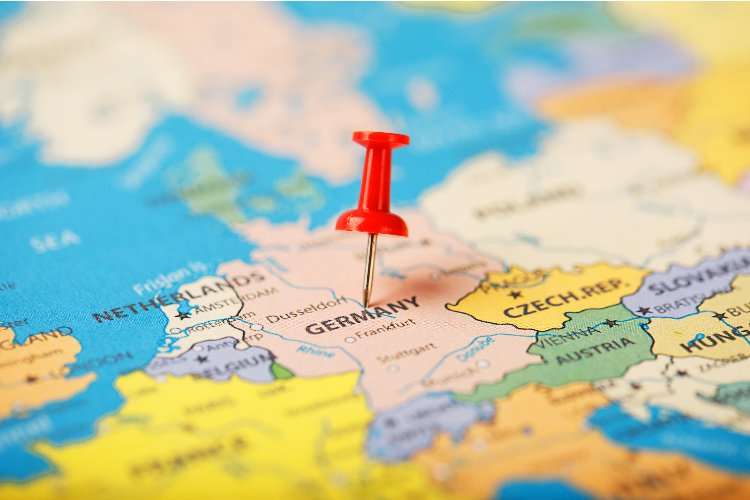
Germany is a federal republic made up of 16 federal states (Bundesländer), each with its own government, economy, culture, and regional identity. While Germany operates as a unified country, daily life, job opportunities, cost of living, education systems, and even administrative rules can vary significantly from one state to another.
This page is the main Germany reference hub, designed to help you understand how Germany is structured at the state level and to guide you toward detailed, in-depth articles for each individual state. Whether you are planning to move to Germany, work, study, invest, or simply learn how the country functions, this guide gives you a clear and reliable starting point.
[display-map id=’28863′]
How Germany’s Federal System Works
Germany follows a federal system, meaning power is shared between the national government and the 16 states. Each state has its own parliament and government and is responsible for key areas such as:
- Education and universities
- Police and internal security
- Regional planning and development
- Cultural affairs
- Local administration
This system allows Germany to maintain national unity while preserving strong regional diversity. As a result, living in Bavaria feels very different from living in Berlin, Saxony, or Schleswig-Holstein.
Why German States Matter for Daily Life
Understanding Germany’s states is essential because many important aspects of life depend on where you live, including:
- School systems and holidays
- Job markets and dominant industries
- Housing prices and rent levels
- Public services and bureaucracy
- Lifestyle, culture, and language variations
Choosing the right state can make a major difference in quality of life, career opportunities, and long-term integration.
All 16 German States – Official Overview
Below is the complete list of Germany’s federal states. Each link leads to a full, detailed state guide covering economy, major cities, education, transportation, cost of living, lifestyle, and future outlook.
City-States (Stadtstaaten)
These states are both cities and federal states at the same time.
- Berlin – Germany’s capital and political center
👉 https://wikigerman.net/germany-guide/germany/be/ - Hamburg – Global port city and international trade hub
👉 https://wikigerman.net/germany-guide/germany/hh/ - Bremen – Historic Hanseatic state with strong maritime economy
👉 https://wikigerman.net/germany-guide/germany/hb/
Economic & Industrial Powerhouses
States with the strongest economies, industries, and job markets.
- North Rhine-Westphalia (NRW) – Germany’s most populous and industrial state
👉 https://wikigerman.net/germany-guide/germany/nw/ - Bavaria (Bayern) – Largest state, high salaries, strong economy
👉 https://wikigerman.net/germany-guide/germany/by/ - Baden-Württemberg – Engineering, technology, and innovation leader
👉 https://wikigerman.net/germany-guide/germany/bw/ - Hessen – Financial center and home of Frankfurt
👉 https://wikigerman.net/germany-guide/germany/he/ - Lower Saxony (Niedersachsen) – Industry, agriculture, and renewable energy
👉 https://wikigerman.net/germany-guide/germany/ni/
Eastern German States (New Federal States)
States known for affordability, cultural heritage, and growing innovation.
- Saxony (Sachsen) – Technology, research, and culture
👉 https://wikigerman.net/germany-guide/germany/sn/ - Saxony-Anhalt (Sachsen-Anhalt) – History, industry, and low cost of living
👉 https://wikigerman.net/germany-guide/germany/st/ - Thuringia (Thüringen) – Germany’s green and cultural heart
👉 https://wikigerman.net/germany-guide/germany/th/ - Brandenburg – Surrounds Berlin, strong nature and logistics
👉 https://wikigerman.net/germany-guide/germany/bb/ - Mecklenburg-Vorpommern – Baltic Sea, tourism, and nature
👉 https://wikigerman.net/germany-guide/germany/mv/
Northern & Border States
States shaped by geography, borders, and regional identity.
- Schleswig-Holstein – Between the North Sea and Baltic Sea
👉 https://wikigerman.net/germany-guide/germany/sh/ - Rhineland-Palatinate (Rheinland-Pfalz) – Wine regions and river valleys
👉 https://wikigerman.net/germany-guide/germany/rp/ - Saarland – Small, European, and cross-border state
👉 https://wikigerman.net/germany-guide/germany/sl/
Which German State Is Best for You?
There is no single “best” state in Germany. The right choice depends on your priorities:
- Best for jobs & salaries: Bavaria, Baden-Württemberg, Hessen
- Best for affordability: Saxony-Anhalt, Thuringia, Saarland
- Best for international life: Berlin, Hamburg
- Best for industry & manufacturing: NRW, Lower Saxony
- Best for nature & calm lifestyle: Schleswig-Holstein, Mecklenburg-Vorpommern
Each state offers different advantages, and Germany’s federal system allows you to choose what fits your lifestyle and goals.
Why This Page Is Important
This page acts as the main reference point for understanding Germany at the state level. All individual state guides link back to this page, making it the central hub for:
- Internal linking
- SEO topic authority
- User navigation
- Content structure
If you are new to Germany, this is the best place to start.
Conclusion
Germany is not a single, uniform country but a collection of 16 diverse federal states, each contributing to the nation’s strength in a unique way. From global cities and industrial centers to quiet rural regions and coastal landscapes, Germany offers something for everyone.
Use this Germany States Guide as your foundation, then explore each state in detail to find the region that matches your ambitions, lifestyle, and future plans.
Frequently Asked Questions (FAQ)
Germany has 16 federal states.
Berlin, Hamburg, and Bremen are city-states.
Bavaria is the largest state by area.
North Rhine-Westphalia (NRW) is the most populous state.
Yes, each state has its own parliament and government within the federal system.