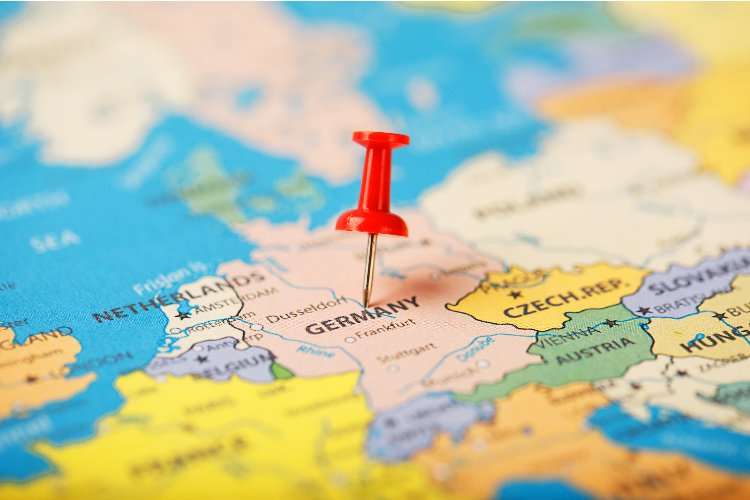
North Rhine-Westphalia state in Germany, often abbreviated as NRW, is the country’s most populous and economically diverse federal state. Located in western Germany, NRW plays a central role in industry, trade, culture, and political influence. With major cities such as Cologne, Düsseldorf, Dortmund, and Essen, the state represents the industrial heart and urban core of modern Germany.
As part of Germany’s federal structure, North Rhine-Westphalia combines historical industrial strength with modern innovation, education, and services. This makes NRW one of the most important regions not only in Germany but in the entire European Union.
This in-depth guide explores North Rhine-Westphalia state in Germany in detail, including its geography, history, economy, major cities, education system, infrastructure, cost of living, lifestyle, tourism, and future prospects.
For a broader overview of Germany and all federal states, you can also read the main Germany guide here:
👉 https://wikigerman.net/germany-guide/germany/
General Overview of North Rhine-Westphalia
North Rhine-Westphalia is located in western Germany and borders Belgium and the Netherlands, as well as several German states. With a population of nearly 18 million people, NRW is by far the most populous German state.
The capital of NRW is Düsseldorf, which serves as the political and administrative center. Cologne, however, is the largest city and a major cultural and economic hub.
NRW is known for its dense urban structure, with many cities located close together, forming one of Europe’s largest metropolitan regions.
Geography and Location
North Rhine-Westphalia covers a relatively compact area but has one of the highest population densities in Germany. The state is divided into several key regions, including:
- The Ruhr Area (Ruhrgebiet)
- The Rhineland (Rheinland)
- Westphalia (Westfalen)
- The Lower Rhine region
Major rivers such as the Rhine, Ruhr, and Lippe have shaped the region’s development and economic history. The Rhine, in particular, remains one of Europe’s most important waterways for trade and transportation.
Historical Background of NRW
The modern state of North Rhine-Westphalia was created in 1946 after World War II by merging the historical regions of Westphalia and the northern part of the Rhineland. The state quickly became the industrial backbone of West Germany.
During the 19th and early 20th centuries, the Ruhr Area developed into one of the world’s largest industrial regions, driven by coal mining and steel production. This industrial heritage still shapes NRW’s identity today.
In recent decades, NRW has successfully transformed its economy, shifting from heavy industry toward services, technology, education, and creative industries.
Political Structure and Administration
North Rhine-Westphalia operates under Germany’s federal system with its own parliament (Landtag NRW) and state government based in Düsseldorf. The state plays a major role in federal politics due to its large population and economic weight.
Politically, NRW often acts as a trendsetter in social, economic, and educational policy due to its size and diversity.
Economy of North Rhine-Westphalia
NRW has one of the largest regional economies in Europe. If NRW were an independent country, its economy would rank among the world’s top economies by GDP.
Key economic sectors include:
- Manufacturing and industrial production
- Chemical and pharmaceutical industries
- Energy and utilities
- Logistics and transportation
- Media and creative industries
- Information technology and digital services
The state benefits from excellent infrastructure, access to international markets, and a highly skilled workforce.
Major Cities in North Rhine-Westphalia
Cologne (Köln)
Cologne is the largest city in NRW and one of Germany’s most culturally vibrant cities. It is famous for Cologne Cathedral, media industries, and international trade fairs.
Düsseldorf
As the state capital, Düsseldorf is a major center for fashion, finance, administration, and international business.
Dortmund
Historically an industrial city, Dortmund has reinvented itself as a technology, logistics, and education hub.
Essen
Once a symbol of heavy industry, Essen is now a center for services, culture, and sustainability initiatives.
Together, these cities form a powerful urban network rather than a single dominant metropolis.
Education and Universities
North Rhine-Westphalia has one of the strongest education systems in Germany. The state is home to numerous universities, technical colleges, and research institutions.
Notable universities include:
- University of Cologne
- RWTH Aachen University
- University of Düsseldorf
- Ruhr University Bochum
RWTH Aachen University, in particular, is internationally renowned for engineering and technology.
NRW also strongly supports vocational education and applied sciences, which helps maintain a highly skilled workforce.
Transportation and Infrastructure
Transportation is one of NRW’s greatest strengths. The state has the densest transportation network in Germany.
NRW is connected by:
- Extensive Autobahn networks
- High-speed rail (ICE) connections
- Major inland ports along the Rhine
- International airports in Düsseldorf, Cologne/Bonn, and Dortmund
This infrastructure makes NRW a key logistics hub for Europe.
Cost of Living in NRW
The cost of living in North Rhine-Westphalia varies significantly by city and region. Cities like Düsseldorf and Cologne are more expensive, especially for housing, while many areas in the Ruhr region remain relatively affordable.
Overall, NRW offers a good balance between job opportunities and living costs, making it attractive for families, students, and professionals.
Living and Working in North Rhine-Westphalia
NRW offers a wide range of job opportunities across many sectors. Due to its size and diversity, the state attracts both domestic and international professionals.
English is commonly used in international companies and academic environments, while German remains essential for daily life and administration.
The state also offers strong social infrastructure, healthcare, and family-friendly services.
Culture, Lifestyle, and Tourism
North Rhine-Westphalia has a rich cultural life shaped by history, diversity, and migration. The region is known for festivals, museums, music, and sports culture.
Tourist highlights include:
- Cologne Cathedral
- Industrial heritage sites in the Ruhr Area
- Historic old towns
- Museums and cultural centers
NRW combines urban life with access to nature, especially in regions like the Eifel and Sauerland.
NRW and Its Neighboring States (Internal Links)
North Rhine-Westphalia shares borders with several important German states. You can explore them in detail through these related guides:
- Hessen: https://wikigerman.net/germany-guide/germany/he/
- Rhineland-Palatinate: https://wikigerman.net/germany-guide/germany/rp/
These neighboring states play a key role in NRW’s economic and cultural connections.
Future Outlook of North Rhine-Westphalia
NRW continues to invest in digital transformation, sustainability, and education. The transition from heavy industry to innovation-driven sectors remains a central focus.
Challenges include urban development, climate adaptation, and infrastructure modernization, but the state’s strong foundation positions it well for the future.
Why North Rhine-Westphalia Matters in Germany
North Rhine-Westphalia state in Germany matters because of its size, diversity, and economic power. It represents modern Germany in all its complexity — industrial heritage, cultural diversity, innovation, and social change.
NRW is not just Germany’s most populous state; it is one of its most influential.
Conclusion
North Rhine-Westphalia state in Germany is a dynamic, diverse, and powerful region. With its strong economy, excellent infrastructure, major cities, and cultural richness, NRW plays a central role in Germany’s present and future.
Whether you are planning to live, work, study, or explore Germany, North Rhine-Westphalia offers opportunities unmatched by any other state.
Frequently Asked Questions (FAQ) About North Rhine-Westphalia
NRW is known for its large population, industrial heritage, major cities, and strong economy.
Yes, NRW offers many job opportunities, good infrastructure, and a wide range of living options.
The capital of North Rhine-Westphalia is Düsseldorf.
Cologne has a larger population, while Düsseldorf is the political capital.
Living costs vary by city, but NRW is generally more affordable than Bavaria or Frankfurt.
NRW is Germany’s most populous state and one of its strongest economic regions.