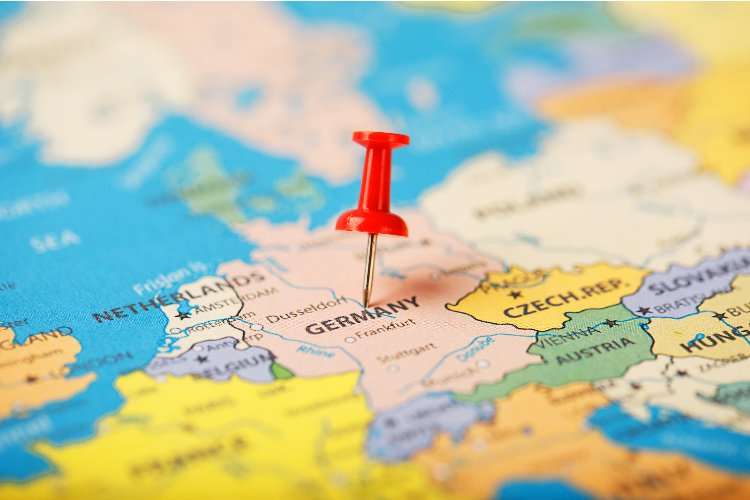
Rhineland-Palatinate state in Germany, known in German as Rheinland-Pfalz, is one of the country’s most scenic, historically rich, and culturally distinctive federal states. Located in western Germany, the state is internationally famous for its vineyards, river valleys, medieval towns, and Roman heritage. At the same time, Rheinland-Pfalz plays an important role in Germany’s economy, research landscape, and international relations.
Often described as Germany’s “wine state,” Rheinland-Pfalz combines natural beauty with industrial strength, scientific innovation, and a high quality of life. This comprehensive guide explores Rhineland-Palatinate state in Germany in depth, covering geography, history, economy, cities, education, infrastructure, cost of living, lifestyle, tourism, and future outlook.
For a full overview of Germany and all federal states, you can read the main Germany guide here:
👉 https://wikigerman.net/germany-guide/germany/
General Overview of Rhineland-Palatinate State in Germany
Rhineland-Palatinate is located in western Germany and borders France, Luxembourg, and Belgium, as well as the German states of North Rhine-Westphalia, Hessen, Baden-Württemberg, and Saarland. This international location has strongly influenced the state’s history, culture, and economy.
The capital city is Mainz, an important center for media, education, and politics. Other major cities include Ludwigshafen, Koblenz, Trier, Kaiserslautern, and Worms.
With a population of around 4.1 million people, Rheinland-Pfalz offers a balanced mix of urban centers, small towns, and rural landscapes.
Geography and Natural Landscape
Rhineland-Palatinate state in Germany is one of the most geographically diverse regions in the country. The state is shaped by major rivers, hills, forests, and fertile valleys.
Key geographical features include:
- The Rhine River
- The Moselle River
- The Ahr Valley
- The Eifel and Hunsrück mountain ranges
- The Palatinate Forest (Pfälzerwald)
The Rhine and Moselle river valleys are among Germany’s most famous landscapes, lined with vineyards, castles, and historic towns. The Palatinate Forest is one of the largest continuous forested areas in Germany and a UNESCO biosphere reserve.
Historical Background of Rhineland-Palatinate
The history of Rheinland-Pfalz is deeply rooted in European civilization. The region was an important part of the Roman Empire, and cities such as Trier are among the oldest in Germany.
During the Middle Ages, the area was divided into numerous ecclesiastical and secular territories. Its location along major trade routes made it economically and strategically significant.
After World War II, the modern state of Rhineland-Palatinate was established in 1946 within the French occupation zone. Since then, the state has developed into a stable and prosperous region with strong European ties.
Political Structure and Governance
Rhineland-Palatinate operates within Germany’s federal system, with its own parliament (Landtag Rheinland-Pfalz) and state government based in Mainz.
The state government is responsible for education, regional planning, infrastructure, and internal security. Rheinland-Pfalz is known for pragmatic governance, strong municipal structures, and close cooperation with neighboring countries.
Economy of Rhineland-Palatinate State in Germany
Rhineland-Palatinate has a diversified and export-oriented economy. While the state is famous for wine production, it is also a major industrial and scientific center.
Key economic sectors include:
- Chemical and pharmaceutical industries
- Automotive suppliers
- Mechanical engineering
- Logistics and transportation
- Agriculture and wine production
- Biotechnology and life sciences
Ludwigshafen is home to one of the world’s largest chemical production sites, making Rheinland-Pfalz a key player in Germany’s industrial landscape.
Wine Industry – The Heart of Rheinland-Pfalz
Rhineland-Palatinate is Germany’s leading wine-producing state, accounting for the majority of the country’s wine output.
Major wine regions include:
- Mosel
- Rheinhessen
- Pfalz
- Ahr
- Nahe
The wine industry is deeply embedded in regional culture, tourism, and economy. Wine festivals, vineyards, and wine routes attract millions of visitors every year.
Mainz – Capital and Media Center
Mainz is the capital of Rhineland-Palatinate and an important cultural and political center. The city has strong ties to media and broadcasting and hosts major research and academic institutions.
Mainz is also known for its Roman heritage, cathedral, and lively cultural scene. Its location on the Rhine River supports trade, tourism, and international exchange.
Other Major Cities in Rhineland-Palatinate
Ludwigshafen
An industrial powerhouse and center of the chemical industry.
Koblenz
Located at the confluence of the Rhine and Moselle rivers, known for tourism and history.
Trier
Germany’s oldest city, rich in Roman monuments and cultural heritage.
Kaiserslautern
An important education and technology center with a strong university presence.
Each city contributes to the state’s economic and cultural diversity.
Education and Universities
Rhineland-Palatinate has a strong education and research landscape, particularly in science, medicine, and engineering.
Major universities include:
- Johannes Gutenberg University Mainz
- University of Trier
- University of Kaiserslautern-Landau
- University of Koblenz
The state also hosts numerous research institutions and technology parks that support innovation and knowledge transfer.
Transportation and Infrastructure
Transportation infrastructure in Rhineland-Palatinate is well developed, supported by its central European location.
The state benefits from:
- Dense rail networks along the Rhine
- Major Autobahn connections
- Inland ports for river shipping
- Proximity to Frankfurt Airport
These connections make Rheinland-Pfalz a key logistics and transit region.
Cost of Living in Rhineland-Palatinate
The cost of living in Rhineland-Palatinate is moderate compared to major German metropolitan regions. Housing costs vary by location but are generally lower than in Frankfurt or Munich.
Smaller cities and rural areas offer particularly affordable living while maintaining high public service standards.
This balance makes the state attractive for families, professionals, and retirees.
Living and Working in Rhineland-Palatinate
Rhineland-Palatinate offers a high quality of life with strong job opportunities in industry, research, healthcare, and logistics.
The state is attractive for cross-border workers due to its proximity to France, Luxembourg, and Belgium. English is used in international workplaces, but German is essential for daily life.
Work-life balance is supported by access to nature, cultural activities, and regional traditions.
Culture, Lifestyle, and Tourism
Culture and lifestyle in Rheinland-Pfalz are strongly influenced by wine, history, and river landscapes.
Tourism highlights include:
- Rhine Valley castles
- Moselle wine villages
- Roman monuments in Trier
- Hiking and cycling routes
- Wine festivals and regional cuisine
The state focuses on sustainable tourism and preserving cultural landscapes.
Rhineland-Palatinate and Its Neighboring German States (Internal Links)
Rhineland-Palatinate is closely connected to several German states. You can explore them through these related guides:
- North Rhine-Westphalia (NRW): https://wikigerman.net/germany-guide/germany/nw/
- Hessen: https://wikigerman.net/germany-guide/germany/he/
- Baden-Württemberg: https://wikigerman.net/germany-guide/germany/bw/
- Saarland: https://wikigerman.net/germany-guide/germany/sl/
These regions share strong economic, cultural, and transportation ties.
Future Outlook of Rhineland-Palatinate State in Germany
The future of Rhineland-Palatinate is closely linked to sustainability, innovation, and cross-border cooperation. The state invests in renewable energy, digital infrastructure, and scientific research.
Climate change poses challenges for agriculture and wine production, but adaptive strategies and research support long-term resilience.
Why Rhineland-Palatinate Matters in Germany
Rhineland-Palatinate matters because it combines industrial strength, agricultural tradition, and European integration. Its role as Germany’s leading wine region and an important industrial hub makes it essential to the national economy.
The state also represents Germany’s cultural and historical depth.
Conclusion
Rhineland-Palatinate state in Germany is a region of balance, heritage, and opportunity. With its wine landscapes, strong economy, cultural richness, and affordable living, it offers a distinctive and attractive lifestyle.
Whether you are interested in history, industry, nature, or relocating to Germany, Rheinland-Pfalz provides an authentic and rewarding experience.
Frequently Asked Questions (FAQ) About Rhineland-Palatinate State in Germany
It is best known for its wine regions, Rhine and Moselle rivers, historic towns, and chemical industry.
The capital is Mainz.
No, it offers moderate living costs compared to major German metropolitan areas.
Yes, it offers good job opportunities, affordable housing, and high quality of life.
Key industries include chemicals, pharmaceuticals, wine production, logistics, and research.
English is used in international workplaces, but German is important for daily life.