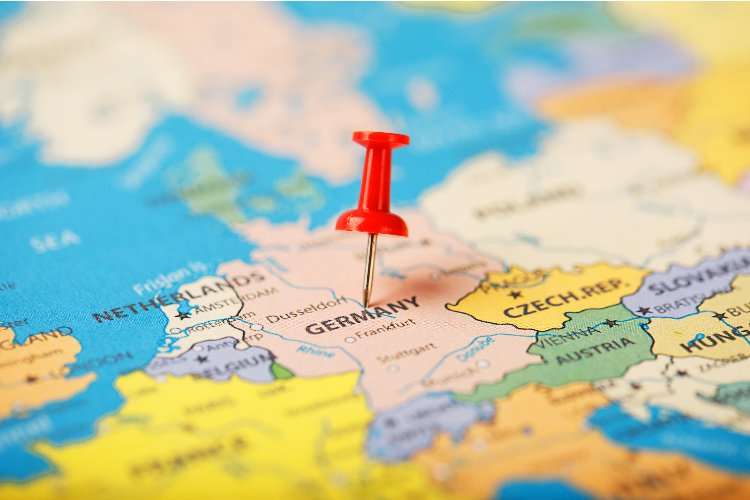
Baden-Württemberg state in Germany is one of the country’s most prosperous, innovative, and economically powerful federal states. Located in southwestern Germany, Baden-Württemberg is internationally known for engineering excellence, technological innovation, world-class companies, and a very high quality of life. The state consistently ranks at the top in economic performance, research intensity, and employment.
Home to global brands, prestigious universities, and strong small and medium-sized enterprises, Baden-Württemberg represents the industrial and technological backbone of modern Germany. This comprehensive guide explores Baden-Württemberg state in Germany in depth, covering geography, history, economy, cities, education, infrastructure, cost of living, lifestyle, tourism, and future outlook.
For a full overview of Germany and all federal states, you can read the main Germany guide here:
👉 https://wikigerman.net/germany-guide/germany/
General Overview of Baden-Württemberg State in Germany
Baden-Württemberg is located in southwestern Germany and borders France and Switzerland, as well as the German states of Bavaria, Hesse, and Rhineland-Palatinate. With a population of around 11.3 million people, it is the third most populous state in Germany after North Rhine-Westphalia and Bavaria.
The capital city is Stuttgart, one of Germany’s most important economic centers. Other major cities include Mannheim, Karlsruhe, Freiburg, Heidelberg, Ulm, and Tübingen.
Baden-Württemberg is officially one of Germany’s wealthiest states and consistently scores high in quality-of-life rankings.
Geography and Natural Landscape
Baden-Württemberg state in Germany is geographically diverse and visually rich. The state features forests, mountains, rivers, lakes, and fertile plains.
Key geographical features include:
- The Black Forest (Schwarzwald)
- Lake Constance (Bodensee)
- The Swabian Jura (Schwäbische Alb)
- The Upper Rhine Valley
- The Neckar River
The Black Forest is one of Germany’s most famous natural regions, attracting tourists for hiking, wellness, and winter sports. Lake Constance is one of Central Europe’s largest lakes and a major tourism and recreation area.
Historical Background of Baden-Württemberg
The history of Baden-Württemberg is shaped by a mix of regional identities, including Baden, Württemberg, and Hohenzollern. These regions developed separately for centuries before being unified into the modern state in 1952.
During the 19th and early 20th centuries, Baden-Württemberg became a center of industrial innovation, particularly in mechanical engineering and manufacturing. Unlike some regions, the state emerged from World War II relatively intact and quickly rebuilt its economy.
Its tradition of craftsmanship, engineering, and education laid the foundation for today’s technological leadership.
Political Structure and Governance
Baden-Württemberg operates within Germany’s federal system, with its own parliament (Landtag von Baden-Württemberg) and state government based in Stuttgart.
The state government places strong emphasis on innovation, education, environmental protection, and economic competitiveness. Baden-Württemberg is often seen as a model state for long-term planning and industrial policy.
Due to its economic importance, the state plays a significant role in federal decision-making.
Economy of Baden-Württemberg State in Germany
Baden-Württemberg has one of the strongest economies in Europe. If it were an independent country, its GDP would rank among the world’s top economies.
Key economic sectors include:
- Automotive manufacturing
- Mechanical and industrial engineering
- Electronics and semiconductors
- Information technology
- Medical technology
- Renewable energy
- Research and development
The state is known for its dense network of highly innovative small and medium-sized enterprises (SMEs), often referred to as the “Mittelstand.”
Global Industry and Engineering Excellence
Baden-Württemberg is often described as Germany’s engineering heartland. The state is home to some of the world’s most advanced manufacturing and technology companies.
Research and development spending per capita is among the highest in Europe. Innovation clusters connect companies, universities, and research institutes, creating a powerful ecosystem for technological progress.
This focus on precision, quality, and innovation defines the region’s global reputation.
Stuttgart – Capital and Economic Engine
Stuttgart is the capital of Baden-Württemberg and one of Germany’s most important economic centers. The city is a global hub for automotive engineering, high-tech manufacturing, and research.
Despite its industrial strength, Stuttgart also offers cultural institutions, green spaces, and a high standard of living. Its metropolitan region is one of the wealthiest in Europe.
Other Major Cities in Baden-Württemberg
Mannheim
A major industrial and logistics center with strong chemical and engineering industries.
Karlsruhe
Known for technology, law, and research institutions.
Heidelberg
An internationally famous university city with strong life sciences and tourism sectors.
Freiburg
A leading city for sustainability, renewable energy, and environmental research.
Ulm and Tübingen
Important centers for science, medicine, and innovation.
Each city contributes to the state’s balanced and diversified economy.
Education and Universities
Baden-Württemberg state in Germany has one of the strongest education systems in Europe. The state consistently invests heavily in universities, research, and innovation.
Major universities include:
- Heidelberg University
- Karlsruhe Institute of Technology (KIT)
- University of Stuttgart
- University of Freiburg
- University of Tübingen
These institutions are internationally recognized in engineering, medicine, natural sciences, and humanities.
Vocational education and dual training programs are deeply integrated with industry needs.
Transportation and Infrastructure
Baden-Württemberg has excellent transportation infrastructure, supporting its export-oriented economy.
Key features include:
- Dense Autobahn network
- High-speed rail connections
- Proximity to major airports (Stuttgart, Frankfurt, Zurich)
- Strong logistics and freight systems
The state’s central European location enhances trade and international mobility.
Cost of Living in Baden-Württemberg
The cost of living in Baden-Württemberg state in Germany is higher than the national average, particularly in cities like Stuttgart and Heidelberg.
However, higher salaries, strong job security, and excellent public services help balance living costs. Smaller cities and rural areas offer more affordable housing while maintaining high living standards.
Living and Working in Baden-Württemberg
Baden-Württemberg offers outstanding career opportunities, especially for engineers, IT specialists, researchers, and skilled professionals.
The state attracts international talent due to high wages, innovation culture, and excellent quality of life. English is widely used in professional and academic environments, though German is essential for long-term integration.
Work-life balance is supported by strong social infrastructure and access to nature.
Culture, Lifestyle, and Tourism
Baden-Württemberg combines industrial modernity with deep cultural traditions. Historic towns, castles, and regional customs coexist with modern urban life.
Tourism highlights include:
- Black Forest region
- Lake Constance
- Historic old towns
- Thermal spas and wellness resorts
- Wine regions
Tourism focuses on sustainability, health, culture, and outdoor activities.
Baden-Württemberg and Its Neighboring German States (Internal Links)
Baden-Württemberg is closely connected to several German states. You can explore them through these related guides:
- Bavaria (Bayern): https://wikigerman.net/germany-guide/germany/by/
- Hessen: https://wikigerman.net/germany-guide/germany/he/
- Rhineland-Palatinate: https://wikigerman.net/germany-guide/germany/rp/
Its borders with France and Switzerland further strengthen its international role.
Future Outlook of Baden-Württemberg State in Germany
The future of Baden-Württemberg focuses on digitalization, artificial intelligence, climate-neutral industry, and sustainable mobility.
The state invests heavily in green technologies, research networks, and education to remain globally competitive while meeting environmental goals.
Why Baden-Württemberg Matters in Germany
Baden-Württemberg matters because it is Germany’s innovation engine. Its engineering excellence, export power, and research leadership drive national economic success.
Few regions combine industrial strength, education quality, and living standards as effectively as Baden-Württemberg.
Conclusion
Baden-Württemberg state in Germany is a benchmark for innovation, prosperity, and quality of life. With its powerful economy, world-class education system, advanced infrastructure, and natural beauty, it stands among Europe’s most successful regions.
Whether you are planning to work, study, invest, or relocate, Baden-Württemberg offers unmatched opportunities and long-term stability.
Frequently Asked Questions (FAQ) About Baden-Württemberg State in Germany
It is known for engineering excellence, automotive industry, innovation, and high quality of life.
The capital is Stuttgart.
Living costs are higher than average, especially in major cities, but salaries are also higher.
Yes, it offers strong job opportunities, excellent education, and high living standards.
Automotive, engineering, IT, medical technology, and research are key sectors.
English is widely used in academia and international workplaces, but German is important for daily life.