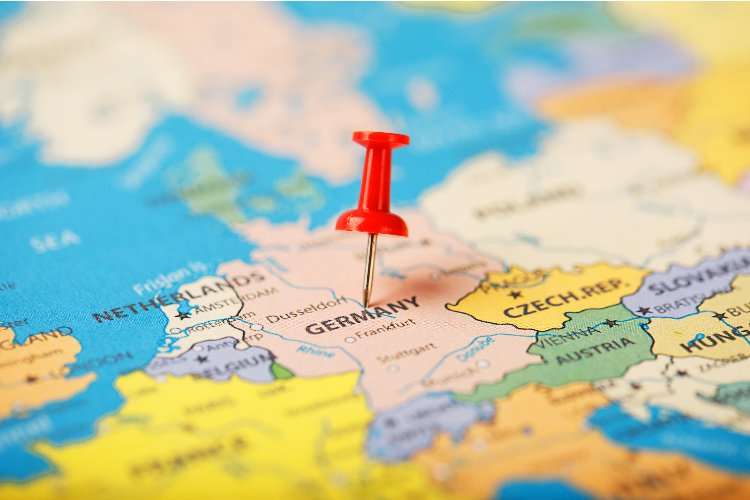
Hessen state in Germany is one of the most strategically important and economically powerful regions in the country. Located in the very center of Germany, Hessen plays a crucial role in finance, transportation, logistics, education, and international business. The state is best known as the home of Frankfurt am Main, Germany’s financial capital and one of Europe’s most influential economic cities.
Unlike some German states that rely heavily on manufacturing or tourism, Hessen has built its strength on services, finance, global connectivity, and innovation. This makes Hessen not only a national powerhouse but also a key player on the European and global stage.
This comprehensive guide explores Hessen state in Germany in detail, covering its geography, history, economy, major cities, education system, transportation, cost of living, lifestyle, tourism, and future outlook. Whether you are considering moving to Germany, studying, working, or investing, Hessen is a state you must understand.
General Overview of Hessen State in Germany
Hessen is located in central Germany and borders six other federal states: North Rhine-Westphalia, Lower Saxony, Thuringia, Bavaria, Baden-Württemberg, and Rhineland-Palatinate. This central position has made Hessen a natural hub for transportation, trade, and communication for centuries.
The state has a population of approximately 6.3 million people. Its capital city is Wiesbaden, while its largest and most internationally known city is Frankfurt am Main. Hessen is characterized by a mix of large metropolitan areas, medium-sized cities, and rural regions, offering a wide range of living environments.
Due to its central location, Hessen is often described as the “heart of Germany,” both geographically and economically.
Geography and Natural Landscape
Hessen state in Germany offers a diverse natural landscape. The region includes low mountain ranges, forests, rivers, and fertile plains. Major geographical features include the Taunus Mountains, the Odenwald, the Vogelsberg volcanic region, and the Rhön Mountains.
The Rhine and Main rivers are particularly important for Hessen, supporting trade, transportation, and settlement. The Rhine-Main region, centered around Frankfurt, is one of the most densely populated and economically active areas in Germany.
Despite its strong urban presence, Hessen also offers many natural parks, hiking areas, and protected landscapes, making it attractive for people who value both city life and access to nature.
Historical Background of Hessen
The history of Hessen state in Germany is complex and deeply rooted in the development of central Europe. Historically, the region was divided into several territories, including the Landgraviate of Hesse, which played an important role in medieval and early modern German politics.
During the 19th century, Hessen became increasingly industrialized, particularly in areas connected to trade routes and river transport. After World War II, the modern state of Hessen was established in 1945 within the American occupation zone.
Unlike eastern German states, Hessen was part of West Germany and benefited early from post-war economic growth. This historical advantage helped Hessen develop into one of Germany’s most prosperous regions.
Political Structure and Administration
Hessen state in Germany operates under Germany’s federal system, with its own parliament (Landtag Hessen) and state government. The state government is responsible for education, internal security, regional planning, and infrastructure development.
Wiesbaden, the state capital, serves as the administrative center. The political culture in Hessen is generally pragmatic and economically oriented, reflecting the state’s role as a business and finance hub.
Hessen is also influential at the federal level due to its economic importance and international connections.
Economy of Hessen State in Germany
Hessen has one of the strongest economies in Germany. Its economic success is driven primarily by services rather than traditional manufacturing. The state’s GDP per capita is among the highest in the country.
The Frankfurt Rhine-Main region is the economic engine of Hessen and one of Europe’s leading metropolitan areas. Frankfurt is home to major banks, financial institutions, and international corporations.
Key economic sectors in Hessen include:
- Finance and banking
- Logistics and transportation
- Aviation
- Information technology
- Consulting and professional services
- Pharmaceuticals and chemical industries
The presence of the European Central Bank and numerous international financial institutions gives Hessen a unique global profile.
Frankfurt am Main – Financial Capital of Germany
Frankfurt am Main is the most important city in Hessen and one of the most influential financial centers in Europe. It hosts Germany’s largest stock exchange, major banks, and financial regulators.
Frankfurt Airport is Germany’s largest international airport and one of the busiest in Europe, making the city a global transportation hub. This connectivity supports Hessen’s role in international trade and business.
Frankfurt is also known for its skyline, often referred to as “Mainhattan,” which is unique among German cities.
Education System and Universities
Hessen state in Germany has a strong education system with a focus on research, science, and innovation. The state is home to several respected universities and research institutions.
Notable universities include Goethe University Frankfurt, Technical University of Darmstadt, Justus Liebig University Giessen, and Philipps University of Marburg. These institutions are known for programs in economics, engineering, natural sciences, and social sciences.
Hessen places strong emphasis on vocational training and dual education, ensuring a skilled workforce for its economy.
Transportation and Infrastructure
Transportation is one of Hessen’s greatest strengths. The state has one of the most advanced transportation networks in Germany.
Frankfurt Airport serves as a global aviation hub, while the region is also connected by high-speed rail (ICE) to major cities such as Berlin, Munich, Hamburg, and Cologne. Major highways intersect in Hessen, reinforcing its role as a logistics center.
This infrastructure makes Hessen highly attractive for international companies and professionals.
Cost of Living in Hessen
The cost of living in Hessen state in Germany varies significantly depending on location. Frankfurt and its surrounding areas are among the most expensive regions in Germany, particularly in terms of housing.
However, smaller cities and rural areas in Hessen offer more affordable living options. While living costs can be high, salaries in Hessen are generally above the national average, helping to balance expenses.
Public services, healthcare, and education maintain Germany’s high standards throughout the state.
Living and Working in Hessen
Hessen is an attractive place to live and work, especially for professionals in finance, IT, logistics, consulting, and research. The state offers strong job opportunities, international work environments, and high income potential.
English is widely used in Frankfurt and other international business settings. However, German remains essential for daily life, administration, and long-term integration.
Hessen also offers good work-life balance, with access to green spaces, cultural activities, and family-friendly infrastructure.
Culture, Lifestyle, and Tourism
Culturally, Hessen combines modern urban life with historic traditions. Cities like Frankfurt and Kassel offer vibrant cultural scenes, including museums, theaters, and international events.
Kassel is famous for Documenta, one of the world’s most important contemporary art exhibitions. Wiesbaden is known for its spa culture and historic architecture.
Tourism in Hessen includes river cruises along the Rhine, visits to medieval towns, wine regions, and nature parks.
Future Outlook of Hessen State in Germany
Hessen’s future is closely tied to finance, digitalization, sustainability, and global connectivity. The state continues to invest in innovation, smart infrastructure, and education.
Challenges include housing shortages in metropolitan areas and increasing global competition. However, Hessen’s strong economic foundation and international orientation position it well for long-term success.
Why Hessen Is One of Germany’s Most Important States
Hessen state in Germany stands out because it combines economic power, international influence, and central location. While other states may dominate manufacturing or tourism, Hessen leads in finance, logistics, and global connectivity.
This makes Hessen a cornerstone of Germany’s national economy and a gateway to Europe.
Conclusion
Hessen state in Germany is a dynamic, influential, and future-oriented region. With its financial strength, world-class infrastructure, strong education system, and international outlook, Hessen plays a vital role in shaping Germany’s economic and global position.
Whether you are planning to study, work, invest, or relocate, Hessen offers opportunities that few other German states can match.
Frequently Asked Questions (FAQ) About Hessen State in Germany
Hessen is best known as Germany’s financial and transportation hub, home to Frankfurt am Main, major banks, and the country’s largest international airport.
Yes, Hessen offers high wages, strong job opportunities, and excellent infrastructure, though living costs can be high in major cities.
No, Wiesbaden is the capital of Hessen, while Frankfurt is the largest and most economically important city.
Hessen is more expensive than many states, especially in the Frankfurt region, but higher salaries often balance the cost of living.
English is widely spoken in international business and academic environments, particularly in Frankfurt.
Finance, logistics, aviation, IT, consulting, and pharmaceuticals are the dominant industries.
Yes, Hessen offers good schools, healthcare, and family-friendly infrastructure, especially outside major cities.
Hessen is crucial due to its central location, financial institutions, transportation hubs, and global economic influence.