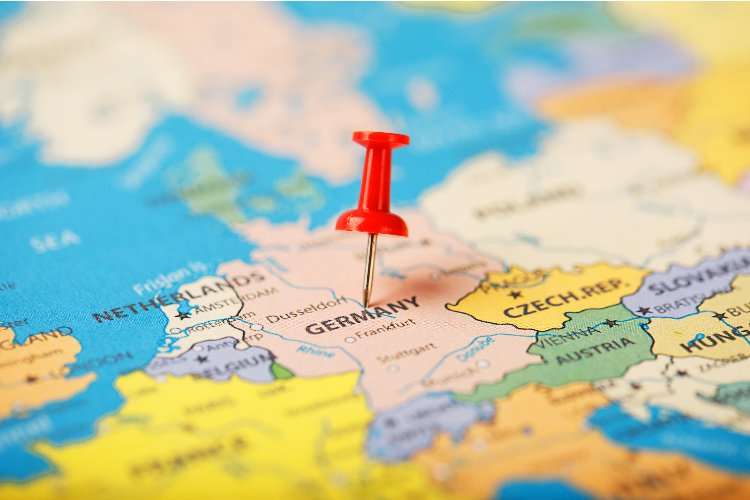
Bavaria state in Germany, known in German as Bayern, is the largest federal state in the country by area and one of the most economically powerful regions in Europe. Famous worldwide for its traditions, Alpine landscapes, strong economy, and high quality of life, Bavaria represents a unique blend of cultural heritage and modern innovation.
From global cities like Munich to picturesque Alpine villages, Bavaria plays a central role in shaping Germany’s national identity, economic strength, and international reputation. This in-depth guide explores Bavaria state in Germany from every important perspective, including geography, history, economy, major cities, education, infrastructure, cost of living, tourism, lifestyle, and future outlook.
For a general overview of Germany and all federal states, you can read the main Germany guide here:
👉 https://wikigerman.net/germany-guide/germany/
General Overview of Bavaria State in Germany
Bavaria is located in southeastern Germany and borders several German states as well as Austria and the Czech Republic. With a population of over 13 million people, Bavaria is the second most populous German state after North Rhine-Westphalia.
The capital of Bavaria is Munich (München), one of Germany’s most important economic, cultural, and technological centers. Bavaria is officially known as the “Free State of Bavaria” (Freistaat Bayern), reflecting its strong regional identity and historical independence.
Bavaria consistently ranks among the top German states in economic performance, education quality, and overall quality of life.
Geography and Natural Landscape
Bavaria state in Germany is geographically diverse and visually striking. The southern part of the state is dominated by the Bavarian Alps, offering some of Germany’s most spectacular mountain scenery. These Alpine regions are popular for hiking, skiing, and tourism throughout the year.
Northern and central Bavaria feature rolling hills, forests, rivers, and fertile agricultural land. Major rivers such as the Danube (Donau), Main, and Isar play a key role in transportation, settlement, and economic development.
Bavaria also has numerous lakes, including Lake Chiemsee and Lake Starnberg, which are important recreational and tourism destinations.
Historical Background of Bavaria
Bavaria has a long and distinct history that sets it apart from many other German states. Historically, Bavaria was a duchy and later a kingdom, maintaining a strong sense of autonomy even after becoming part of the German Empire in 1871.
The Kingdom of Bavaria retained its own traditions, military, and administrative structures for many years. After World War I, Bavaria became a Free State within the German Republic.
Unlike many other regions, Bavaria emerged from World War II with much of its cultural heritage intact. In the post-war period, Bavaria transformed from a largely agricultural region into one of Europe’s most advanced industrial and technological centers.
Political Structure and Governance
Bavaria state in Germany operates under Germany’s federal system with its own parliament (Bayerischer Landtag) and state government based in Munich. The state places strong emphasis on regional autonomy, conservative fiscal policies, and long-term planning.
Bavaria has traditionally played an influential role in federal politics and often advocates for state rights and decentralized governance within Germany.
Economy of Bavaria State in Germany
Bavaria has one of the strongest and most diversified economies in Europe. If Bavaria were an independent country, its economy would rank among the world’s top economies by GDP.
Key economic sectors include:
- Automotive manufacturing
- Mechanical engineering
- Information technology and software
- Aerospace and aviation
- Electronics and semiconductors
- Biotechnology and medical technology
- Tourism and hospitality
Bavaria is home to many global corporations, innovative startups, and highly productive small and medium-sized enterprises (SMEs).
Munich – Economic and Cultural Capital of Bavaria
Munich is the largest city in Bavaria and one of Germany’s most prosperous cities. It serves as a global center for technology, finance, media, and research.
The city is also famous for its cultural life, historic architecture, and international events such as Oktoberfest. Munich consistently ranks among the cities with the highest quality of life worldwide.
Munich Airport is one of Europe’s major international hubs, supporting Bavaria’s global connectivity.
Other Major Cities in Bavaria
Nuremberg (Nürnberg)
A historic city known for its medieval old town, industrial innovation, and trade fairs.
Augsburg
One of Germany’s oldest cities, with strong industrial and cultural traditions.
Regensburg
A UNESCO World Heritage city known for its well-preserved medieval architecture.
Würzburg
Famous for Baroque architecture and its role as a wine-producing region.
These cities contribute to Bavaria’s balanced regional development.
Education and Universities
Bavaria state in Germany has one of the strongest education systems in Europe. The state invests heavily in research, innovation, and academic excellence.
Top universities include:
- Ludwig Maximilian University of Munich (LMU)
- Technical University of Munich (TUM)
- University of Erlangen-Nuremberg
- University of Regensburg
TUM and LMU consistently rank among Europe’s best universities, particularly in engineering, science, and medicine.
Bavaria also strongly supports vocational training and dual education, ensuring a skilled workforce.
Transportation and Infrastructure
Bavaria has a highly developed transportation network. The state is connected by major highways, high-speed rail lines, and international airports.
Munich Airport serves as a major gateway to Europe and beyond. Rail connections link Bavaria to Austria, Switzerland, and Eastern Europe, making it an important transit region.
Public transportation systems in major cities are modern, reliable, and efficient.
Cost of Living in Bavaria
The cost of living in Bavaria varies significantly by region. Munich is one of the most expensive cities in Germany, particularly in terms of housing. However, salaries are generally higher than the national average.
Smaller cities and rural areas in Bavaria offer more affordable living options while maintaining high quality of life.
Overall, Bavaria combines high living standards with strong income potential.
Living and Working in Bavaria
Bavaria is one of the most attractive states in Germany for professionals, families, and international workers. Job opportunities are particularly strong in engineering, IT, research, healthcare, and manufacturing.
While English is commonly used in international companies and academic environments, German is important for long-term integration and everyday life.
Bavaria also places strong emphasis on safety, education, and family-friendly policies.
Culture, Traditions, and Lifestyle
Bavaria is internationally famous for its traditions, including traditional clothing (Dirndl and Lederhosen), folk music, regional cuisine, and festivals.
At the same time, Bavaria is highly modern and cosmopolitan, especially in cities like Munich. This unique combination of tradition and innovation defines Bavarian identity.
Outdoor activities, sports, and cultural events play an important role in everyday life.
Tourism and Attractions
Tourism is a major economic pillar in Bavaria state in Germany. Visitors are drawn to Alpine scenery, historic towns, castles, and cultural festivals.
Major attractions include:
- Neuschwanstein Castle
- Bavarian Alps
- Historic old towns
- Beer gardens and festivals
- Lake regions and nature parks
Bavaria is one of Germany’s most visited regions by international tourists.
Bavaria and Its Neighboring German States (Internal Links)
Bavaria shares borders with several important German states. You can explore them in detail through these related guides on wikigerman.net:
- Baden-Württemberg: https://wikigerman.net/germany-guide/germany/bw/
- Hessen: https://wikigerman.net/germany-guide/germany/he/
- Thuringia: https://wikigerman.net/germany-guide/germany/th/
- Saxony: https://wikigerman.net/germany-guide/germany/sn/
These neighboring states maintain strong economic, cultural, and transportation links with Bavaria.
Future Outlook of Bavaria State in Germany
Bavaria continues to invest in digitalization, sustainability, artificial intelligence, and renewable energy. The state aims to maintain its economic leadership while adapting to climate and demographic challenges.
With strong universities, innovation ecosystems, and global connectivity, Bavaria is well positioned for long-term success.
Why Bavaria Is One of Germany’s Strongest States
Bavaria stands out due to its economic power, innovation capacity, cultural identity, and high quality of life. Few regions in Europe combine tradition and modernity as successfully as Bavaria.
This makes Bavaria a cornerstone of Germany’s national and international strength.
Conclusion
Bavaria state in Germany is a dynamic, prosperous, and culturally rich region. With its strong economy, world-class education, modern infrastructure, and unique traditions, Bavaria plays a decisive role in shaping Germany’s present and future.
Whether you plan to live, work, study, or travel, Bavaria offers unmatched opportunities and experiences.
Frequently Asked Questions (FAQ) About Bavaria State in Germany
Bavaria is known for its strong economy, Alpine landscapes, cultural traditions, and high quality of life.
Bavaria is one of Germany’s richest states, consistently ranking among the top in GDP per capita.
The capital of Bavaria is Munich (München).
Living costs are high in Munich but more affordable in smaller cities and rural areas.
English is widely used in business and academia, but German is important for daily life.
Bavaria is important due to its economic strength, innovation, and international influence.