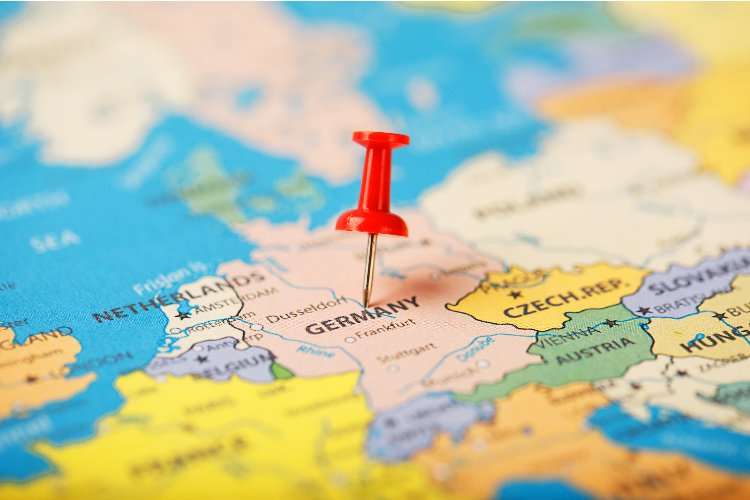
Saxony state in Germany, known in German as Sachsen, is one of the country’s most historically significant and culturally rich federal states. Located in eastern Germany, Saxony has played a decisive role in shaping German history, industry, science, and culture for centuries. Today, Saxony stands at the intersection of tradition and innovation, combining historic cities with cutting-edge technology and modern economic development.
Often described as the cultural and industrial heart of eastern Germany, Saxony is known for its strong manufacturing base, world-class research institutions, and rapidly growing technology sectors. This comprehensive guide explores Saxony state in Germany in depth, covering its geography, history, economy, major cities, education system, infrastructure, cost of living, lifestyle, tourism, and future outlook.
For a complete overview of Germany and all federal states, you can read the main Germany guide here:
👉 https://wikigerman.net/germany-guide/germany/
General Overview of Saxony State in Germany
Saxony is located in eastern Germany and borders Poland and the Czech Republic, as well as the German states of Brandenburg, Saxony-Anhalt, Thuringia, and Bavaria. With a population of around 4 million people, Saxony is one of the more densely populated states in eastern Germany.
The capital of Saxony is Dresden, a city famous for its baroque architecture, cultural heritage, and scientific research. Other major cities include Leipzig and Chemnitz, which together form a powerful urban and economic triangle within the state.
Saxony has undergone significant transformation since German reunification and is now considered one of the most dynamic regions in eastern Germany.
Geography and Natural Landscape
Saxony state in Germany offers a diverse and attractive natural landscape. The state includes mountain ranges, river valleys, forests, and fertile plains.
Key geographical features include:
- The Ore Mountains (Erzgebirge)
- Saxon Switzerland National Park
- The Elbe River valley
- Lusatian Highlands
Saxon Switzerland, located near Dresden, is one of Germany’s most spectacular natural regions and a major destination for hiking and outdoor tourism.
The Elbe River plays a vital role in transportation, settlement, and tourism, connecting Saxony to northern Germany and international trade routes.
Historical Background of Saxony
The history of Saxony state in Germany is long and influential. During the Middle Ages, Saxony was one of the most powerful regions in the Holy Roman Empire. Later, the Kingdom of Saxony became a major cultural and political center in Europe.
Saxony was one of the earliest regions in Germany to industrialize, particularly in textiles, machinery, and manufacturing. Cities such as Leipzig and Chemnitz became major industrial hubs in the 19th century.
After World War II, Saxony became part of East Germany (GDR). The socialist system reshaped the economy and society, and many industries declined after reunification in 1990. However, Saxony has since rebuilt its economy through innovation, investment, and modernization.
Political Structure and Governance
Saxony state in Germany operates under Germany’s federal system, with its own parliament (Sächsischer Landtag) and state government based in Dresden.
The state government is responsible for education, internal security, regional development, and infrastructure. Saxony has focused strongly on economic development, research, and innovation as key policy priorities since reunification.
Economy of Saxony State in Germany
Saxony has one of the strongest economies among eastern German states. It is known for its export-oriented industries, skilled workforce, and strong research base.
Key economic sectors include:
- Automotive manufacturing and suppliers
- Microelectronics and semiconductors
- Mechanical engineering
- Information technology
- Renewable energy
- Biotechnology and medical technology
The region around Dresden is often referred to as “Silicon Saxony” due to its strong semiconductor and microelectronics industry, making it one of Europe’s most important technology clusters.
Dresden – Capital and Cultural Center of Saxony
Dresden is the capital of Saxony and one of Germany’s most beautiful historic cities. Known as the “Florence on the Elbe,” Dresden is famous for its baroque architecture, museums, and cultural institutions.
At the same time, Dresden is a major center for research, engineering, and high-tech industries. Universities and research institutes play a key role in the city’s economic development.
Dresden combines cultural heritage with modern innovation, making it one of the most attractive cities in eastern Germany.
Leipzig – Dynamic City of Growth
Leipzig is Saxony’s largest city and one of Germany’s fastest-growing urban centers. It is known for its vibrant cultural scene, creative industries, and strong economic growth.
Leipzig has attracted startups, artists, and international companies due to its relatively low cost of living, strong infrastructure, and high quality of life. The city is also an important logistics and transportation hub.
Chemnitz – Industrial Heritage and Transformation
Chemnitz, historically known as Karl-Marx-Stadt during the GDR era, has a strong industrial heritage. Today, the city is undergoing significant transformation, focusing on technology, engineering, and innovation.
Chemnitz plays an important role in Saxony’s manufacturing and research ecosystem and contributes to regional economic balance.
Education and Universities
Saxony state in Germany has a strong education and research landscape. The state is home to several respected universities and applied science institutions.
Major universities include:
- Technische Universität Dresden
- Leipzig University
- Chemnitz University of Technology
These institutions are known for engineering, natural sciences, medicine, and humanities. Saxony also hosts numerous research centers affiliated with national and international organizations.
Vocational education and dual training programs are highly developed, supporting the state’s industrial and technological sectors.
Transportation and Infrastructure
Saxony has a well-developed transportation network connecting it to other German states and neighboring countries.
The state is served by major highways, regional and long-distance rail connections, and airports in Dresden and Leipzig. Leipzig/Halle Airport is an important logistics hub, particularly for cargo transport.
Saxony’s location near Central and Eastern Europe enhances its role in international trade and logistics.
Cost of Living in Saxony
One of Saxony’s major advantages is its relatively low cost of living compared to western German states. Housing, rent, and daily expenses are significantly more affordable, especially outside city centers.
Despite lower costs, Saxony offers good public services, healthcare, and education, making it attractive for families, students, and professionals.
This affordability has contributed to population growth in cities like Leipzig.
Living and Working in Saxony
Saxony offers growing job opportunities in technology, manufacturing, logistics, research, and healthcare. The state actively promotes investment and innovation to attract businesses and skilled workers.
English is increasingly used in academic and professional environments, but German remains essential for daily life and long-term integration.
Quality of life in Saxony is high, particularly for those who value cultural richness, affordability, and access to nature.
Culture, Lifestyle, and Tourism
Saxony has a rich cultural heritage, reflected in its historic cities, museums, music traditions, and festivals. Classical music, art, and literature have deep roots in the region.
Tourism is an important sector, with visitors attracted to:
- Historic old towns
- Baroque architecture in Dresden
- Saxon Switzerland National Park
- Cultural festivals and events
Saxony combines cultural depth with modern urban life, especially in Leipzig and Dresden.
Saxony and Its Neighboring German States (Internal Links)
Saxony shares borders with several German states that are closely connected economically and culturally. You can explore them in detail through these related guides:
- Bavaria (Bayern): https://wikigerman.net/germany-guide/germany/by/
- Thuringia (Thüringen): https://wikigerman.net/germany-guide/germany/th/
- Brandenburg: https://wikigerman.net/germany-guide/germany/bb/
- Saxony-Anhalt: https://wikigerman.net/germany-guide/germany/st/
These neighboring states form an important network within eastern and southern Germany.
Future Outlook of Saxony State in Germany
Saxony’s future is strongly tied to innovation, technology, and sustainability. The state continues to invest in semiconductor manufacturing, renewable energy, digitalization, and research infrastructure.
Challenges include demographic change and competition for skilled labor, but Saxony’s strong education system and international orientation position it well for long-term growth.
Why Saxony Is One of Germany’s Most Promising States
Saxony stands out due to its combination of historical significance, modern innovation, affordability, and cultural richness. Few regions in Germany have reinvented themselves as successfully as Saxony since reunification.
This makes Saxony one of the most promising regions for the future.
Conclusion
Saxony state in Germany is a region of transformation, opportunity, and depth. With its strong economy, world-class research, rich cultural heritage, and affordable living, Saxony plays a vital role in Germany’s national development.
Whether you are considering living, studying, working, or investing, Saxony offers a compelling alternative to Germany’s more expensive western regions.
Frequently Asked Questions (FAQ) About Saxony State in Germany
Saxony is known for its rich history, strong manufacturing base, microelectronics industry, and cultural cities like Dresden and Leipzig.
Yes, Saxony offers affordable living, good job opportunities, strong education, and high quality of life.
The capital of Saxony is Dresden.
No, Saxony is one of the more affordable German states, especially compared to Bavaria or Hessen.
English is spoken in universities and international workplaces, but German is important for daily life.
Saxony is important due to its industrial innovation, research institutions, and role in eastern Germany’s economic development.