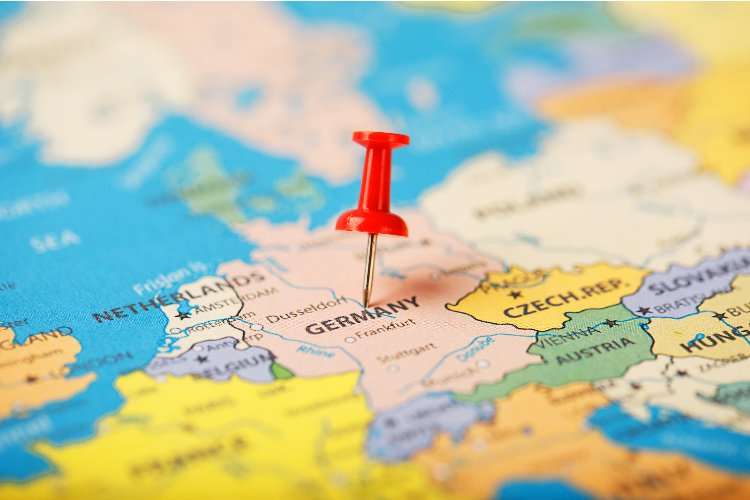
Thuringia state in Germany, known in German as Thüringen, is one of the country’s most historically significant and culturally rich federal states. Located in central Germany, Thuringia is often described as the “Green Heart of Germany” due to its extensive forests, natural landscapes, and central geographic position. Despite being one of the smaller German states by population, Thuringia has played a disproportionately important role in German history, culture, philosophy, and science.
From medieval towns and UNESCO World Heritage sites to modern technology clusters and research institutions, Thuringia combines deep tradition with steady modernization. This comprehensive guide explores Thuringia state in Germany in detail, covering geography, history, economy, major cities, education, infrastructure, cost of living, lifestyle, tourism, and future prospects.
For a full overview of Germany and all federal states, you can read the main Germany guide here:
👉 https://wikigerman.net/germany-guide/germany/
General Overview of Thuringia State in Germany
Thuringia is located in central Germany and borders five other federal states: Saxony, Saxony-Anhalt, Brandenburg, Bavaria, and Hessen. Its central position has historically made it a crossroads for trade, culture, and political influence.
The capital city of Thuringia is Erfurt, a well-preserved medieval city with strong administrative, educational, and cultural importance. Other key cities include Jena, Weimar, Gera, and Eisenach.
With a population of around 2.1 million people, Thuringia is less densely populated than western German states, offering more space, lower living costs, and a quieter lifestyle.
Geography and Natural Landscape
Thuringia state in Germany is known for its rich and varied natural environment. The region is dominated by forests, hills, and low mountain ranges, making it one of the greenest states in the country.
The Thuringian Forest (Thüringer Wald) is the most famous natural feature and a major destination for hiking, winter sports, and nature tourism. Other important landscapes include the Harz foothills, the Saale river valley, and fertile agricultural plains.
The state’s central location and natural beauty make it attractive for sustainable tourism and outdoor recreation.
Historical Background of Thuringia
Thuringia has a long and influential history that dates back to early medieval times. During the Middle Ages, the region was divided into several small territories, duchies, and principalities, contributing to its rich cultural diversity.
Thuringia is closely associated with some of the most important figures in German history. Martin Luther lived and worked in Eisenach and Wartburg Castle, where he translated the New Testament into German. Weimar became a center of German culture and intellectual life, associated with figures such as Goethe and Schiller.
After World War II, Thuringia became part of East Germany (GDR). Following reunification in 1990, the state underwent significant economic and structural changes, modernizing infrastructure and revitalizing its economy.
Political Structure and Governance
Thuringia state in Germany operates within Germany’s federal system, with its own parliament (Thüringer Landtag) and state government based in Erfurt.
The state government is responsible for education, internal security, infrastructure, and regional development. Thuringia places strong emphasis on preserving cultural heritage while promoting innovation and economic diversification.
Due to its size, Thuringia often focuses on balanced regional development and strengthening rural areas.
Economy of Thuringia State in Germany
Thuringia has a diversified and steadily growing economy. While historically based on craftsmanship, optics, and manufacturing, the state has successfully expanded into modern industries.
Key economic sectors include:
- Mechanical engineering
- Automotive suppliers
- Optics and photonics
- Medical technology
- Microelectronics
- Renewable energy
The region around Jena is internationally known for optics, photonics, and precision engineering, continuing a tradition that dates back more than a century.
Small and medium-sized enterprises (SMEs) form the backbone of Thuringia’s economy.
Erfurt – Capital and Administrative Center
Erfurt is the capital of Thuringia and one of Germany’s best-preserved medieval cities. It serves as the political, administrative, and transportation center of the state.
The city features a historic old town, a strong university presence, and modern infrastructure. Erfurt’s central location makes it a key logistics and transport hub within Germany.
Weimar – Cultural Capital of Germany
Weimar holds a special place in German cultural history. The city is associated with classical German literature, philosophy, and art.
Weimar is home to UNESCO World Heritage sites and played a key role during the Weimar Republic period. Today, the city remains an important center for culture, education, and tourism.
Jena – Science and Innovation Hub
Jena is Thuringia’s leading city for science, research, and innovation. It is home to universities, research institutions, and technology companies, particularly in optics and photonics.
The city has a young population, strong startup scene, and international research collaborations, making it one of the most dynamic cities in eastern Germany.
Education and Universities
Thuringia state in Germany has a strong education and research landscape relative to its size. Universities and applied science institutions play a key role in regional development.
Major universities include:
- University of Erfurt
- Friedrich Schiller University Jena
- Bauhaus University Weimar
- University of Applied Sciences Erfurt
These institutions are known for humanities, science, engineering, design, and architecture. Thuringia also emphasizes vocational training and dual education systems.
Transportation and Infrastructure
Thuringia benefits from its central location within Germany. Major highways and rail lines cross the state, connecting it to Berlin, Frankfurt, Munich, and Leipzig.
Erfurt serves as an important rail hub, especially after the expansion of high-speed ICE connections. While Thuringia does not have a major international airport, nearby airports in Leipzig, Frankfurt, and Nuremberg provide global connectivity.
Cost of Living in Thuringia
One of Thuringia’s biggest advantages is its low cost of living. Housing, rent, and everyday expenses are significantly lower than in western Germany or major metropolitan areas.
Despite lower costs, residents enjoy access to Germany’s high standards of healthcare, education, and public services. This makes Thuringia attractive for families, students, retirees, and remote workers.
Living and Working in Thuringia
Thuringia offers a high quality of life for people seeking affordability, nature, and cultural depth. Job opportunities are strongest in manufacturing, engineering, research, healthcare, and public services.
English is spoken in academic and international work environments, but German remains essential for daily life and long-term integration.
The state actively promotes investment, innovation, and settlement to counter demographic challenges.
Culture, Lifestyle, and Tourism
Culture is a defining feature of Thuringia. The state is rich in music, literature, architecture, and philosophy.
Tourism attractions include:
- Wartburg Castle
- Historic old towns
- Thuringian Forest
- Cultural festivals and museums
Tourism in Thuringia focuses on history, culture, and nature rather than mass tourism, attracting visitors seeking authentic experiences.
Thuringia and Its Neighboring German States (Internal Links)
Thuringia borders several important German states that are closely connected historically and economically. You can explore them in detail through these related guides:
- Saxony (Sachsen): https://wikigerman.net/germany-guide/germany/sn/
- Saxony-Anhalt (Sachsen-Anhalt): https://wikigerman.net/germany-guide/germany/st/
- Bavaria (Bayern): https://wikigerman.net/germany-guide/germany/by/
- Hessen: https://wikigerman.net/germany-guide/germany/he/
These neighboring states form a central network within Germany.
Future Outlook of Thuringia State in Germany
Thuringia’s future development focuses on innovation, digitalization, renewable energy, and education. While demographic change remains a challenge, targeted investment and regional development programs aim to strengthen long-term growth.
The state’s strong research base, cultural heritage, and affordability position it well for sustainable development.
Why Thuringia Matters in Germany
Thuringia state in Germany matters because of its cultural legacy, central location, and role in innovation and regional balance. It connects eastern and western Germany both geographically and historically.
Thuringia demonstrates how tradition and modernization can coexist successfully.
Conclusion
Thuringia state in Germany is a region of depth, culture, and opportunity. With its rich history, strong research institutions, affordable living, and natural beauty, Thuringia offers a distinctive and balanced way of life.
Whether you are considering studying, working, relocating, or exploring Germany, Thuringia provides an authentic and rewarding experience.
Frequently Asked Questions (FAQ) About Thuringia State in Germany
Thuringia is known for its forests, cultural heritage, historic cities, and role in German intellectual history.
The capital of Thuringia is Erfurt.
Yes, Thuringia offers affordable living, good public services, and high quality of life, especially for families and remote workers.
No, Thuringia is one of the more affordable German states in terms of housing and daily expenses.
English is used in academic and professional settings, but German is important for everyday life.
Thuringia is important due to its cultural heritage, central location, and growing innovation sectors.