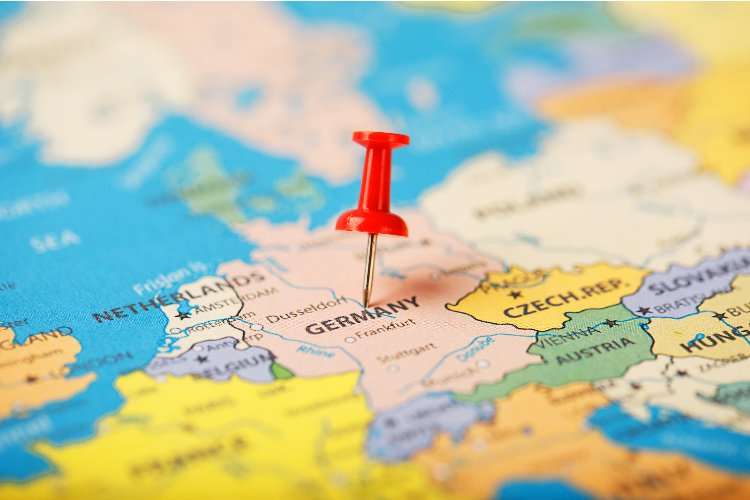
Saxony-Anhalt state in Germany, known in German as Sachsen-Anhalt, is one of the most historically significant and culturally influential federal states in the country. Located in central-eastern Germany, Saxony-Anhalt is often described as the cradle of German culture, religion, and early statehood. It is the land of Martin Luther, medieval cathedrals, UNESCO World Heritage sites, and some of Germany’s oldest cities.
Despite its deep historical roots, Saxony-Anhalt is also a modern state focused on industrial renewal, renewable energy, logistics, and science. While quieter and less densely populated than western German states, it offers affordability, space, and long-term development potential. This comprehensive guide explores Saxony-Anhalt state in Germany in depth, covering geography, history, economy, cities, education, infrastructure, cost of living, lifestyle, tourism, and future outlook.
For a full overview of Germany and all federal states, you can read the main Germany guide here:
👉 https://wikigerman.net/germany-guide/germany/
General Overview of Saxony-Anhalt State in Germany
Saxony-Anhalt is located in central-eastern Germany and borders the German states of Lower Saxony, Brandenburg, Saxony, Thuringia, and Mecklenburg-Vorpommern. With a population of approximately 2.2 million people, it is one of Germany’s less populous states.
The capital city is Magdeburg, an important administrative, industrial, and transportation center. Other major cities include Halle (Saale), Dessau-Roßlau, Wittenberg, and Stendal.
Saxony-Anhalt combines historic urban centers, agricultural plains, river landscapes, and emerging industrial regions, making it one of Germany’s most balanced but underrated states.
Geography and Natural Landscape
Saxony-Anhalt state in Germany features a diverse natural landscape shaped by rivers, plains, hills, and cultural landscapes.
Key geographical features include:
- The Elbe River
- The Saale River
- The Harz Mountains (shared with Lower Saxony)
- Fertile agricultural plains
- Biosphere reserves and nature parks
The Harz Mountains in the western part of the state are one of northern Germany’s most important natural regions, offering hiking, winter sports, and tourism opportunities.
The Elbe River plays a central role in transportation, ecology, and settlement and supports some of Germany’s most important floodplain ecosystems.
Historical Background of Saxony-Anhalt
Saxony-Anhalt has a history that reaches back over a thousand years. The region was a core territory of the Holy Roman Empire and later a center of medieval German kingdoms and bishoprics.
The state is closely associated with Martin Luther and the Protestant Reformation. Luther lived and worked in towns such as Wittenberg, Eisleben, and Mansfeld, making Saxony-Anhalt one of the most important religious heritage regions in the world.
During the industrial age, cities like Halle and Magdeburg developed strong chemical, mechanical, and manufacturing industries. After World War II, Saxony-Anhalt became part of East Germany (GDR). Following reunification in 1990, the state underwent deep economic restructuring and modernization.
Political Structure and Governance
Saxony-Anhalt operates within Germany’s federal system, with its own parliament (Landtag Sachsen-Anhalt) and state government based in Magdeburg.
The state government focuses on economic renewal, education, infrastructure development, and regional balance. Due to demographic challenges, policies emphasize investment, innovation, and improving quality of life to attract residents and businesses.
Economy of Saxony-Anhalt State in Germany
The economy of Saxony-Anhalt has transformed significantly over the past decades. While historically based on agriculture and heavy industry, the state has diversified into modern sectors.
Key economic sectors include:
- Chemical and pharmaceutical industries
- Mechanical engineering
- Renewable energy (wind and solar)
- Logistics and transportation
- Food processing and agriculture
- Biotechnology and life sciences
The chemical industry around Halle and Bitterfeld-Wolfenstein is one of the most important industrial clusters in eastern Germany.
Magdeburg – Capital and Industrial Center
Magdeburg is the capital of Saxony-Anhalt and a key economic and administrative center. Located on the Elbe River, the city has a long history as a trading and industrial hub.
Today, Magdeburg focuses on mechanical engineering, logistics, and research. The city also benefits from its central location within Germany and strong rail and road connections.
Halle (Saale) – Education and Culture Hub
Halle is one of the largest cities in Saxony-Anhalt and a major center for education, science, and culture. It is home to one of Germany’s oldest universities and several research institutions.
The city has a vibrant academic atmosphere and plays a key role in chemical and pharmaceutical research.
Dessau-Roßlau – Architecture and Design Legacy
Dessau-Roßlau is internationally known as the birthplace of the Bauhaus movement, one of the most influential schools of modern architecture and design.
The city remains a center for architecture, environmental research, and cultural tourism, contributing significantly to the state’s international reputation.
Education and Universities
Saxony-Anhalt state in Germany has a strong education and research landscape, particularly in science, engineering, and humanities.
Major universities include:
- Otto von Guericke University Magdeburg
- Martin Luther University Halle-Wittenberg
- Anhalt University of Applied Sciences
Research institutions focus on chemistry, biosciences, renewable energy, and engineering. The state also places strong emphasis on vocational education and applied sciences.
Transportation and Infrastructure
Transportation infrastructure in Saxony-Anhalt benefits from the state’s central location.
Key features include:
- Major Autobahn routes connecting east and west Germany
- Strong rail connections to Berlin, Leipzig, and western Germany
- Inland ports along the Elbe River
The state functions as an important logistics corridor between eastern and western Europe.
Cost of Living in Saxony-Anhalt
One of Saxony-Anhalt’s greatest advantages is its low cost of living. Housing, rent, and daily expenses are among the lowest in Germany.
Despite affordability, residents enjoy access to Germany’s high-quality healthcare, education, and public services. This makes Saxony-Anhalt particularly attractive for families, students, retirees, and remote workers.
Living and Working in Saxony-Anhalt
Living in Saxony-Anhalt offers space, affordability, and a calm lifestyle. Employment opportunities are strongest in industry, renewable energy, logistics, healthcare, and public services.
While English is spoken in academic and international environments, German remains essential for daily life and integration.
The state actively promotes relocation and investment to counter population decline.
Culture, Lifestyle, and Tourism
Culture and heritage play a central role in Saxony-Anhalt’s identity. The state is home to multiple UNESCO World Heritage sites.
Tourism highlights include:
- Luther memorial sites
- Medieval cathedrals
- Bauhaus architecture
- Harz Mountains
- Historic old towns
Tourism focuses on history, culture, and nature rather than mass tourism.
Saxony-Anhalt and Its Neighboring German States (Internal Links)
Saxony-Anhalt shares borders with several German states that are closely connected historically and economically. You can explore them through these related guides:
- Saxony (Sachsen): https://wikigerman.net/germany-guide/germany/sn/
- Thuringia (Thüringen): https://wikigerman.net/germany-guide/germany/th/
- Brandenburg: https://wikigerman.net/germany-guide/germany/bb/
- Lower Saxony (Niedersachsen): https://wikigerman.net/germany-guide/germany/ni/
- Mecklenburg-Vorpommern: https://wikigerman.net/germany-guide/germany/mv/
Future Outlook of Saxony-Anhalt State in Germany
The future of Saxony-Anhalt focuses on industrial modernization, renewable energy, digitalization, and education. Investment in science parks, logistics hubs, and infrastructure aims to strengthen long-term economic stability.
Although demographic change remains a challenge, affordability and quality of life create strong potential for future growth.
Why Saxony-Anhalt Matters in Germany
Saxony-Anhalt matters because it represents Germany’s historical foundations and cultural identity while actively shaping its modern industrial future.
The state connects past and future, tradition and innovation, making it an essential part of Germany’s national story.
Conclusion
Saxony-Anhalt state in Germany is a region of heritage, opportunity, and balance. With its deep historical roots, modern industries, low cost of living, and strategic location, it offers a distinctive and sustainable lifestyle.
Whether you are interested in history, education, industry, or relocation, Saxony-Anhalt provides an authentic and forward-looking German experience.
Frequently Asked Questions (FAQ) About Saxony-Anhalt State in Germany
It is known for Martin Luther, the Protestant Reformation, UNESCO World Heritage sites, and Bauhaus architecture.
The capital is Magdeburg.
No, it is one of the most affordable German states.
Yes, especially for those seeking affordability, space, and a calm lifestyle.
Chemicals, renewable energy, logistics, mechanical engineering, and agriculture are key sectors.
English is spoken in universities and international workplaces, but German is important for daily life.