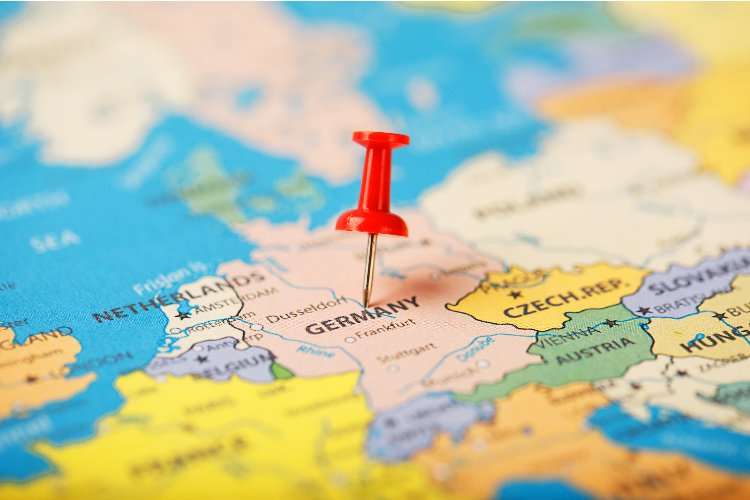
Lower Saxony state in Germany, known in German as Niedersachsen, is one of the country’s largest and most diverse federal states. Located in northern Germany, Lower Saxony combines powerful industrial regions, major agricultural areas, international ports, and some of the most beautiful natural landscapes in the country. From the North Sea coastline to historic cities and modern industrial hubs, Niedersachsen plays a central role in Germany’s economy, food production, energy transition, and transportation networks.
Often described as one of Germany’s most balanced states, Lower Saxony brings together urban development, rural life, innovation, and environmental protection. This comprehensive guide explores Lower Saxony state in Germany in depth, covering geography, history, economy, major cities, education, infrastructure, cost of living, lifestyle, tourism, and future outlook.
For a complete overview of Germany and all federal states, you can read the main Germany guide here:
👉 https://wikigerman.net/germany-guide/germany/
General Overview of Lower Saxony State in Germany
Lower Saxony is located in northern Germany and is the second-largest German state by area after Bavaria. It borders the North Sea, the Netherlands, and several German states, including Hamburg, Bremen, Schleswig-Holstein, Mecklenburg-Vorpommern, Brandenburg, Saxony-Anhalt, Thuringia, Hesse, and North Rhine-Westphalia.
With a population of around 8 million people, Lower Saxony is home to a wide variety of regions, from large metropolitan areas to sparsely populated rural landscapes. The capital city is Hanover (Hannover), an important political, economic, and transportation center.
Lower Saxony is known for its regional diversity, economic stability, and strong role in Germany’s industrial and agricultural systems.
Geography and Natural Landscape
Lower Saxony state in Germany has one of the most varied natural environments in the country. The state stretches from the North Sea coast in the northwest to the Harz Mountains in the southeast.
Key geographical features include:
- North Sea coastline and islands
- The Wadden Sea (UNESCO World Heritage Site)
- Large river systems such as the Elbe, Weser, and Ems
- Heathlands like the Lüneburg Heath
- The Harz Mountains
Lower Saxony is one of Germany’s most important regions for environmental protection, with national parks, biosphere reserves, and protected coastal areas.
Historical Background of Lower Saxony
The history of Lower Saxony state in Germany is shaped by tribal territories, medieval duchies, and later industrial development. The region played an important role in early Germanic history and later became a center of trade, agriculture, and manufacturing.
After World War II, the modern state of Lower Saxony was established in 1946 from several historic regions, including Hanover, Oldenburg, Brunswick, and Schaumburg-Lippe.
Unlike many eastern German states, Lower Saxony developed within West Germany and benefited from post-war economic growth, infrastructure investment, and industrial expansion.
Political Structure and Governance
Lower Saxony operates within Germany’s federal system, with its own parliament (Niedersächsischer Landtag) and state government based in Hanover.
The state government is responsible for education, infrastructure, regional development, policing, and environmental protection. Due to the state’s size and diversity, governance often focuses on balancing urban growth with rural development.
Lower Saxony plays an influential role in federal politics due to its population size and economic importance.
Economy of Lower Saxony State in Germany
Lower Saxony has one of Germany’s most diverse and resilient economies. It combines strong industrial production with agriculture, energy, logistics, and services.
Key economic sectors include:
- Automotive manufacturing and suppliers
- Mechanical engineering
- Agriculture and food production
- Renewable energy (wind power)
- Logistics and port services
- Aerospace and defense industries
The state is a major contributor to Germany’s export economy and energy transition.
Automotive and Industrial Strength
Lower Saxony is one of Germany’s most important automotive regions. Major production facilities and supplier networks support both domestic and international markets.
Mechanical engineering and industrial manufacturing are also central pillars of the state’s economy, providing stable employment and technological innovation.
Agriculture and Food Production
Lower Saxony is Germany’s leading agricultural state. It produces a significant share of the country’s livestock, dairy products, and crops.
Food processing and agricultural technology are closely connected to research institutions and export markets, making the state a leader in modern agriculture and food security.
Renewable Energy and Sustainability
Lower Saxony state in Germany is a leader in renewable energy, particularly wind power. Both onshore and offshore wind farms contribute significantly to Germany’s energy supply.
The state also invests in hydrogen technology, energy storage, and grid infrastructure, supporting Germany’s long-term climate goals.
Hanover – Capital and Economic Center
Hanover is the capital of Lower Saxony and an important center for administration, industry, and trade fairs. The city is internationally known for hosting major exhibitions and conferences.
Hanover has a strong industrial base, good infrastructure, and a high quality of life. Its central location makes it a key transportation hub within Germany.
Other Major Cities in Lower Saxony
Braunschweig (Brunswick)
A major research and science hub with strong engineering and technology sectors.
Wolfsburg
An important automotive city and industrial center.
Oldenburg
Known for education, healthcare, and renewable energy research.
Osnabrück
A historic city with strong logistics and trade connections.
Göttingen
An internationally respected university city with strong research traditions.
Each city contributes uniquely to the state’s economic and cultural landscape.
Education and Universities
Lower Saxony state in Germany has a strong and diverse education system, offering excellent opportunities in research, science, and applied studies.
Major universities include:
- Leibniz University Hannover
- University of Göttingen
- Technical University of Braunschweig
- University of Oldenburg
- Osnabrück University
The state is known for research excellence in engineering, natural sciences, agriculture, and energy technologies.
Vocational education and dual training programs play a central role in supporting industry and employment.
Transportation and Infrastructure
Lower Saxony has a highly developed transportation network connecting northern and central Europe.
Key infrastructure includes:
- Major Autobahn corridors
- High-speed rail connections
- Inland ports and seaports
- Proximity to major ports in Hamburg and Bremen
The state’s logistics infrastructure supports both domestic and international trade.
Cost of Living in Lower Saxony
The cost of living in Lower Saxony state in Germany is generally moderate. Housing costs are lower than in major metropolitan regions like Munich, Frankfurt, or Hamburg.
Living expenses vary by city, with more affordable options in smaller cities and rural areas. Overall, Lower Saxony offers good value for quality of life.
Living and Working in Lower Saxony
Lower Saxony offers a balanced lifestyle combining job opportunities, affordable living, and access to nature. Employment opportunities are strong in industry, agriculture, energy, research, and logistics.
English is used in academic and international business environments, but German is essential for daily life and long-term integration.
The state is particularly attractive for families and professionals seeking stability and space.
Culture, Lifestyle, and Tourism
Lower Saxony has a rich cultural heritage influenced by regional traditions, historic towns, and natural landscapes.
Tourism highlights include:
- North Sea coast and islands
- Wadden Sea National Park
- Lüneburg Heath
- Historic city centers
- Castles and nature parks
Tourism focuses on sustainability, nature, and cultural authenticity.
Lower Saxony and Its Neighboring German States (Internal Links)
Lower Saxony is connected to many German states due to its size and location. You can explore neighboring regions through these related guides:
- Hamburg: https://wikigerman.net/germany-guide/germany/hh/
- Bremen: https://wikigerman.net/germany-guide/germany/hb/
- Schleswig-Holstein: https://wikigerman.net/germany-guide/germany/sh/
- North Rhine-Westphalia (NRW): https://wikigerman.net/germany-guide/germany/nw/
- Hessen: https://wikigerman.net/germany-guide/germany/he/
- Saxony-Anhalt: https://wikigerman.net/germany-guide/germany/st/
Future Outlook of Lower Saxony State in Germany
The future of Lower Saxony focuses on sustainable industry, renewable energy expansion, digitalization, and rural development.
Challenges include demographic change and infrastructure modernization, but the state’s strong economic base and innovation capacity support long-term growth.
Why Lower Saxony Matters in Germany
Lower Saxony matters because it combines industrial strength, agricultural leadership, renewable energy production, and environmental protection.
Its geographic size, economic diversity, and strategic location make it one of Germany’s most important and stable federal states.
Conclusion
Lower Saxony state in Germany is a region of balance, opportunity, and diversity. With strong industries, rich natural landscapes, affordable living, and high-quality education, Niedersachsen offers an excellent quality of life.
Whether you are planning to work, study, relocate, or explore Germany, Lower Saxony provides a comprehensive and authentic German experience.
Frequently Asked Questions (FAQ) About Lower Saxony State in Germany
Lower Saxony is known for its automotive industry, agriculture, renewable energy, and North Sea coastline.
The capital is Hanover (Hannover).
No, living costs are generally moderate compared to major German metropolitan areas.
Yes, it offers job opportunities, affordability, and access to nature.
Automotive manufacturing, agriculture, renewable energy, logistics, and engineering are key sectors.
English is spoken in universities and international workplaces, but German is important for daily life.