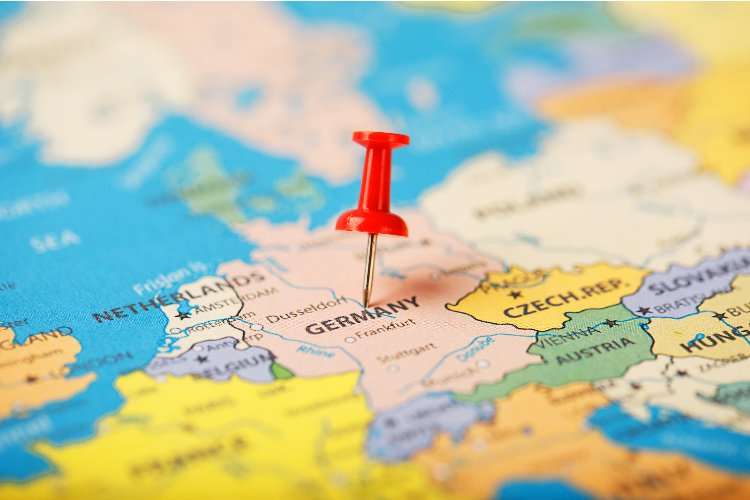
Hamburg state in Germany is one of the country’s most influential and internationally connected regions. Officially known as the Free and Hanseatic City of Hamburg, it is both a city and a federal state, similar to Berlin and Bremen. Hamburg is Germany’s second-largest city and Europe’s third-largest port, making it a central hub for global trade, logistics, media, and innovation.
With a long maritime tradition, a strong economy, and a high quality of life, Hamburg plays a key role in Germany’s position within global markets. The city combines historic harbor culture with modern urban development, offering a unique blend of tradition, prosperity, and openness.
This comprehensive guide explores Hamburg state in Germany in depth, covering geography, history, economy, major districts, education, transportation, cost of living, lifestyle, tourism, and future outlook.
For a full overview of Germany and all federal states, you can read the main Germany guide here:
👉 https://wikigerman.net/germany-guide/germany/
General Overview of Hamburg State in Germany
Hamburg is located in northern Germany along the Elbe River, approximately 100 kilometers from the North Sea. With a population of around 1.9 million people, Hamburg is Germany’s second-largest city after Berlin.
As a city-state, Hamburg has its own parliament (Hamburgische Bürgerschaft), senate, and First Mayor. It operates both as a municipality and as a federal state within Germany’s political system.
Hamburg is internationally known for its port, strong economy, media industry, and cosmopolitan lifestyle.
Geography and Urban Structure
Hamburg state in Germany covers an area of approximately 755 square kilometers. The city is shaped by water: the Elbe River, numerous canals, lakes, and harbor basins define its landscape.
Hamburg has more bridges than any other city in Europe, reflecting its extensive waterways. Large green areas, parks, and nature reserves make Hamburg one of Germany’s greenest major cities.
The city is divided into seven administrative districts, each with its own character, ranging from historic harbor neighborhoods to modern residential and business areas.
Historical Background of Hamburg
Hamburg’s history is closely tied to trade and maritime commerce. First mentioned in the 9th century, Hamburg developed into a major port city during the Middle Ages.
As a leading member of the Hanseatic League, Hamburg became one of Europe’s most powerful trading cities. This legacy of independence and international orientation remains visible today in Hamburg’s political culture and economy.
Unlike many other German cities, Hamburg maintained a high degree of autonomy throughout history. After World War II, Hamburg became part of West Germany and rapidly rebuilt its economy, strengthening its role as a global port and business center.
Political Structure and Governance
Hamburg state in Germany operates under Germany’s federal system with its own state parliament and government. The First Mayor of Hamburg acts as both city leader and head of the state government.
Hamburg’s political culture emphasizes economic stability, social responsibility, and international cooperation. Due to its economic importance, Hamburg has strong influence at the federal level.
Economy of Hamburg State in Germany
Hamburg has one of the strongest economies in Germany. Its economic power is driven by international trade, logistics, industry, and services.
Key economic sectors include:
- Port and maritime economy
- Logistics and supply chains
- Media and publishing
- Aviation and aerospace
- Information technology
- Finance and insurance
- Renewable energy
Hamburg consistently ranks among Germany’s top cities for GDP per capita and employment opportunities.
Port of Hamburg – Germany’s Gateway to the World
The Port of Hamburg is the largest seaport in Germany and one of the most important in Europe. It handles millions of containers annually and connects Germany to global markets.
The port is a major employer and economic engine, supporting logistics, shipbuilding, trade, and related services. It also plays a key role in Germany’s export-oriented economy.
Hamburg’s port identity is central to the city’s culture, economy, and international reputation.
Media, Creative Industries, and Innovation
Hamburg is one of Germany’s leading media and creative industry hubs. The city hosts major publishing houses, television broadcasters, advertising agencies, and digital media companies.
In recent years, Hamburg has also emerged as a center for startups and innovation, particularly in logistics technology, fintech, and media tech.
Co-working spaces, innovation hubs, and research partnerships support entrepreneurship and digital transformation.
Education and Universities in Hamburg
Hamburg state in Germany has a strong education and research landscape, offering a wide range of academic opportunities.
Major universities include:
- University of Hamburg
- Hamburg University of Technology
- HafenCity University
- Hamburg University of Applied Sciences
The University of Hamburg is one of Germany’s largest universities and is known for research in law, economics, natural sciences, and social sciences.
Many programs are offered in English, making Hamburg attractive to international students and researchers.
Transportation and Infrastructure
Hamburg has one of Germany’s most advanced transportation systems. The city is well connected by:
- Extensive public transportation (U-Bahn, S-Bahn, buses)
- High-speed rail connections
- Major highways
- Hamburg Airport with international connections
The city’s logistics infrastructure supports both passenger and freight transport, reinforcing Hamburg’s role as a European transport hub.
Cycling is also widely promoted, with expanding bike infrastructure across the city.
Cost of Living in Hamburg
The cost of living in Hamburg state in Germany is relatively high compared to the national average, particularly in housing. Rent prices vary significantly depending on district and proximity to the city center.
Despite higher costs, Hamburg offers high wages, strong public services, excellent healthcare, and reliable infrastructure, which help balance living expenses.
Overall, Hamburg is considered one of Germany’s most desirable cities to live in.
Living and Working in Hamburg
Hamburg offers excellent career opportunities, especially in logistics, media, aviation, IT, finance, and international trade.
The city attracts professionals from around the world due to its open culture, high salaries, and strong economy. English is widely spoken in professional environments, though German remains important for long-term integration.
Hamburg also offers a strong work-life balance, with access to water, parks, cultural events, and recreational activities.
Culture, Lifestyle, and Tourism
Hamburg has a rich cultural life shaped by its maritime heritage and international connections.
Popular attractions include:
- The historic harbor and Speicherstadt
- Elbphilharmonie concert hall
- Reeperbahn entertainment district
- Museums, theaters, and music venues
- Waterfront promenades and parks
Tourism is an important economic sector, with visitors drawn to Hamburg’s architecture, music scene, and harbor atmosphere.
Hamburg and Its Neighboring German States (Internal Links)
Hamburg is closely connected to northern Germany and surrounded by Lower Saxony and Schleswig-Holstein. You can explore these neighboring regions through these related guides:
- Lower Saxony (Niedersachsen): https://wikigerman.net/germany-guide/germany/ni/
- Schleswig-Holstein: https://wikigerman.net/germany-guide/germany/sh/
You may also find related content useful:
Future Outlook of Hamburg State in Germany
Hamburg’s future development focuses on sustainability, port modernization, digitalization, and climate protection. The city invests heavily in green energy, smart logistics, and urban development.
Challenges include housing affordability and environmental adaptation, but Hamburg’s strong economy and international orientation position it well for the future.
Why Hamburg Matters in Germany
Hamburg matters because it is Germany’s primary gateway to global trade. Its port, economy, and international networks connect Germany to markets around the world.
As a city-state, Hamburg combines economic power, political influence, and cultural diversity, making it one of Germany’s most important regions.
Conclusion
Hamburg state in Germany is a dynamic, global, and prosperous region. With its powerful port, strong economy, world-class infrastructure, and high quality of life, Hamburg plays a central role in Germany’s national and international success.
Whether you are planning to work, study, invest, or live in Germany, Hamburg offers opportunities and experiences that few other regions can match.
Frequently Asked Questions (FAQ) About Hamburg State in Germany
Hamburg is known for its port, global trade, maritime heritage, and strong economy.
Hamburg is both a city and a federal state.
Hamburg itself is the capital and only city of the state.
Hamburg is relatively expensive, especially for housing, but offers high wages and quality public services.
Yes, English is widely spoken in business, academia, and tourism.
Hamburg is Germany’s largest port city and a key hub for international trade and logistics.