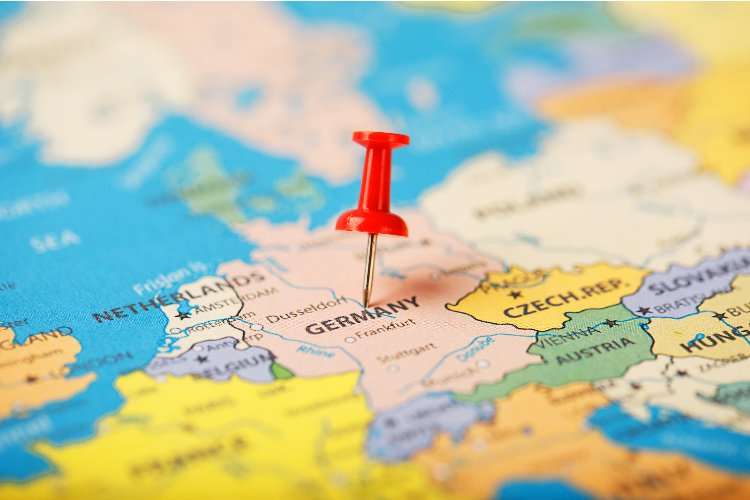
Schleswig-Holstein state in Germany is the country’s northernmost federal state and one of its most distinctive regions. Located between the North Sea and the Baltic Sea, Schleswig-Holstein is defined by water, coastlines, maritime culture, and cross-border connections. The state serves as Germany’s gateway to Scandinavia and plays an important role in shipping, renewable energy, tourism, and environmental protection.
Unlike Germany’s large industrial states, Schleswig-Holstein offers a quieter, nature-oriented lifestyle combined with solid economic foundations and strategic geographic importance. This comprehensive guide explores Schleswig-Holstein state in Germany in depth, covering geography, history, economy, cities, education, infrastructure, cost of living, lifestyle, tourism, and future outlook.
For a full overview of Germany and all federal states, you can read the main Germany guide here:
👉 https://wikigerman.net/germany-guide/germany/
General Overview of Schleswig-Holstein State in Germany
Schleswig-Holstein is located in northern Germany and borders Denmark to the north and the German states of Lower Saxony, Hamburg, and Mecklenburg-Vorpommern. It is the only German state that borders two seas: the North Sea to the west and the Baltic Sea to the east.
With a population of around 3 million people, Schleswig-Holstein is moderately populated and largely rural, with several medium-sized cities and many coastal towns and villages. The capital city is Kiel, an important port, naval base, and administrative center.
The state is known for its maritime orientation, environmental awareness, and high quality of life.
Geography and Natural Landscape
Schleswig-Holstein state in Germany is one of the country’s most unique geographic regions. Its landscape is shaped by coastlines, islands, fjords, marshlands, and rolling plains.
Key geographical features include:
- North Sea coast and tidal flats
- Baltic Sea coastline
- The Wadden Sea (UNESCO World Heritage Site)
- Islands such as Sylt, Föhr, and Amrum
- Lakes and rural inland areas
The Wadden Sea National Park is one of the most important ecosystems in Europe and a major symbol of Schleswig-Holstein’s commitment to environmental protection.
The flat terrain and open landscapes contribute to the region’s strong wind energy potential.
Historical Background of Schleswig-Holstein
The history of Schleswig-Holstein is closely tied to Denmark, Germany, and the Baltic Sea region. For centuries, the region was contested territory between German and Danish rulers.
In the 19th century, Schleswig-Holstein became part of Prussia following regional conflicts. After World War II, the state became part of West Germany and experienced significant demographic changes due to refugees and economic restructuring.
Despite its complex past, Schleswig-Holstein has developed a strong regional identity focused on openness, cooperation, and maritime culture.
Political Structure and Governance
Schleswig-Holstein operates under Germany’s federal system with its own parliament (Landtag Schleswig-Holstein) and state government based in Kiel.
The state government places strong emphasis on environmental protection, renewable energy, education, and regional development. Due to its border location, Schleswig-Holstein is also active in cross-border cooperation with Denmark and Scandinavian countries.
Economy of Schleswig-Holstein State in Germany
The economy of Schleswig-Holstein is smaller than that of Germany’s major industrial states but is stable and well diversified.
Key economic sectors include:
- Maritime economy and ports
- Renewable energy (especially wind power)
- Tourism and hospitality
- Agriculture and food production
- Healthcare and life sciences
- Logistics and trade
The state is a national leader in renewable energy generation, particularly wind energy, both onshore and offshore.
Renewable Energy and Sustainability
Schleswig-Holstein state in Germany is at the forefront of Germany’s energy transition. Wind power plays a central role, and the state produces significantly more renewable electricity than it consumes.
Hydrogen technology, energy storage, and smart grids are key areas of investment, positioning Schleswig-Holstein as a future energy hub for Germany and Northern Europe.
Kiel – Capital and Maritime Center
Kiel is the capital of Schleswig-Holstein and a major port city on the Baltic Sea. It serves as the political and administrative center of the state.
Kiel is internationally known for Kiel Week, one of the world’s largest sailing events. The city also hosts naval facilities, research institutions, and a large university.
Its maritime economy and scientific research make Kiel a key driver of regional development.
Other Major Cities in Schleswig-Holstein
Lübeck
A historic Hanseatic city and UNESCO World Heritage Site, known for its medieval old town and maritime heritage.
Flensburg
A border city with strong Danish influence, known for trade, education, and cultural exchange.
Neumünster
An important logistics and industrial center located inland.
Elmshorn and Itzehoe
Regional economic centers with strong connections to Hamburg.
These cities support balanced regional growth across the state.
Education and Universities
Schleswig-Holstein state in Germany has a solid education and research landscape, particularly in marine sciences, renewable energy, and medicine.
Major institutions include:
- Kiel University (Christian-Albrechts-Universität zu Kiel)
- University of Lübeck
- Flensburg University of Applied Sciences
Research focuses on oceanography, climate science, medical technology, and energy systems. The state also supports vocational education and applied sciences.
Transportation and Infrastructure
Despite its rural character, Schleswig-Holstein has well-developed transportation infrastructure.
Key features include:
- Autobahn connections to Hamburg and Denmark
- Rail links to major German cities
- International ferry connections to Scandinavia
- Ports supporting trade and passenger transport
Proximity to Hamburg enhances access to international markets and air travel.
Cost of Living in Schleswig-Holstein
The cost of living in Schleswig-Holstein state in Germany is generally moderate. Housing costs are lower than in Hamburg or Munich, particularly outside major cities and coastal resort areas.
Living expenses vary by region, with higher prices in popular tourist destinations such as Sylt. Overall, the state offers good value for quality of life.
Living and Working in Schleswig-Holstein
Living in Schleswig-Holstein offers a calm lifestyle, close connection to nature, and good work-life balance. Employment opportunities are strongest in renewable energy, healthcare, tourism, logistics, and public services.
English is spoken in academic and tourism settings, but German remains essential for daily life and long-term integration.
The state is attractive for families, retirees, and remote workers.
Culture, Lifestyle, and Tourism
Culture and lifestyle in Schleswig-Holstein are deeply influenced by the sea. Maritime traditions, coastal cuisine, and regional festivals shape daily life.
Tourism highlights include:
- North Sea and Baltic Sea beaches
- Island holidays
- Sailing and water sports
- Historic Hanseatic towns
- Cycling and nature tourism
Tourism is one of the state’s most important economic pillars.
Schleswig-Holstein and Its Neighboring German States (Internal Links)
Schleswig-Holstein is closely connected to northern Germany. You can explore nearby regions through these related guides:
- Hamburg: https://wikigerman.net/germany-guide/germany/hh/
- Lower Saxony (Niedersachsen): https://wikigerman.net/germany-guide/germany/ni/
- Mecklenburg-Vorpommern: https://wikigerman.net/germany-guide/germany/mv/
Its close ties with Denmark further strengthen its international role.
Future Outlook of Schleswig-Holstein State in Germany
The future of Schleswig-Holstein focuses on renewable energy leadership, climate protection, digital infrastructure, and sustainable tourism.
Demographic challenges and rural development remain important issues, but strong investment in education and innovation supports long-term stability.
Why Schleswig-Holstein Matters in Germany
Schleswig-Holstein matters because it connects Germany to the seas and to Scandinavia. Its leadership in renewable energy, environmental protection, and maritime economy makes it strategically important for Germany’s future.
The state represents sustainability, openness, and northern European cooperation.
Conclusion
Schleswig-Holstein state in Germany is a region defined by water, wind, and balance. With its two coastlines, strong renewable energy sector, affordable living, and high quality of life, it offers a unique alternative to Germany’s major metropolitan states.
Whether you are seeking nature, sustainability, or a quieter life with strong infrastructure, Schleswig-Holstein provides an authentic and forward-looking German experience.
Frequently Asked Questions (FAQ) About Schleswig-Holstein State in Germany
It is known for its North Sea and Baltic Sea coastlines, islands, wind energy, and maritime culture.
The capital is Kiel.
Living costs are moderate, though popular islands like Sylt can be expensive.
Yes, especially for people who value nature, calm lifestyle, and sustainability.
Renewable energy, tourism, maritime economy, healthcare, and agriculture.
English is spoken in tourism and academia, but German is important for daily life.