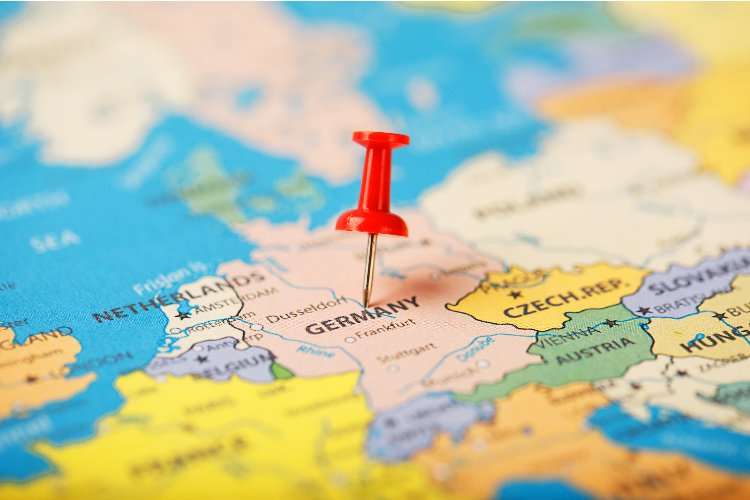
Bremen state in Germany is the smallest federal state in the country by area, yet it holds an outsized importance in German history, trade, and maritime culture. Officially known as the Free Hanseatic City of Bremen, the state consists of two separate cities: Bremen and Bremerhaven. Together, they form a powerful maritime, industrial, and logistics hub with global connections.
Despite its small size, Bremen plays a crucial role in Germany’s economy, particularly in shipping, aerospace, automotive supply chains, and international trade. With a strong historical identity rooted in the Hanseatic League and a modern focus on innovation and logistics, Bremen offers a unique blend of tradition and progress.
This in-depth guide explores Bremen state in Germany in detail, covering its geography, history, economy, cities, education system, infrastructure, cost of living, lifestyle, tourism, and future outlook.
For a general overview of Germany and all federal states, you can read the main Germany guide here:
👉 https://wikigerman.net/germany-guide/germany/
General Overview of Bremen State in Germany
Bremen is one of Germany’s three city-states, alongside Berlin and Hamburg. It is located in northwestern Germany and is completely surrounded by the state of Lower Saxony (Niedersachsen).
The state of Bremen consists of:
- The city of Bremen (state capital)
- The port city of Bremerhaven (located on the North Sea coast)
With a population of around 680,000 people, Bremen is the smallest German state by population after Saarland. Despite this, it has a strong international profile due to its ports, industries, and historical significance.
Geography and Location
Bremen state in Germany is geographically unique because its two cities are separated by approximately 60 kilometers. Bremen lies along the Weser River, while Bremerhaven is located at the river’s mouth where it meets the North Sea.
This strategic location has defined Bremen’s identity for centuries. Access to the sea has enabled Bremen to develop into one of Germany’s most important trading and shipping regions.
The surrounding landscapes are mostly flat, characterized by rivers, marshlands, and agricultural areas.
Historical Background of Bremen
Bremen has a long and influential history as a trading city. During the Middle Ages, Bremen was a leading member of the Hanseatic League, a powerful network of merchant cities that dominated trade in Northern Europe.
The city gained significant autonomy early on and became a Free Imperial City, later maintaining its independence within the German Empire. This tradition of self-governance is still reflected in Bremen’s official title as a Free Hanseatic City.
During the industrial era, Bremen expanded its port facilities and shipbuilding industries. After World War II, Bremen became part of West Germany and benefited from post-war reconstruction and economic growth.
Today, Bremen embraces its maritime heritage while focusing on modern industries and innovation.
Political Structure and Governance
Bremen state in Germany operates under Germany’s federal system, with its own parliament (Bremische Bürgerschaft) and state government.
The political structure is unique because the state government also serves as the municipal government for the city of Bremen. Bremerhaven has its own local administration but remains part of the state.
Bremen places strong emphasis on social policies, education, and economic transformation.
Economy of Bremen State in Germany
Bremen has a diversified economy that punches well above its weight. The state’s economic strength lies primarily in trade, logistics, industry, and technology.
Key economic sectors include:
- Maritime economy and shipping
- Logistics and port services
- Aerospace and aviation
- Automotive industry and suppliers
- Food processing and coffee trade
- Renewable energy and offshore wind
The ports of Bremen and Bremerhaven together form Germany’s second-largest port complex after Hamburg, handling automobiles, containers, and bulk goods.
Bremen City – Historic Hanseatic Capital
The city of Bremen is the political, cultural, and economic center of the state. It is known for its historic old town, UNESCO World Heritage-listed Town Hall, and the famous Bremen Town Musicians statue.
Bremen is also an important center for education, research, and industry. The city hosts major companies and research institutions in aerospace, automotive engineering, and logistics.
Despite its industrial base, Bremen offers a relaxed lifestyle and strong cultural identity.
Bremerhaven – Germany’s North Sea Gateway
Bremerhaven is one of Germany’s most important port cities and plays a central role in international shipping and logistics.
The city specializes in container handling, automobile exports, and offshore industries. Bremerhaven is also home to important research institutions focused on marine science and climate research.
In recent years, Bremerhaven has invested heavily in urban development and tourism, transforming its waterfront into a modern attraction.
Education and Universities
Bremen state in Germany has a strong education and research landscape relative to its size.
Key institutions include:
- University of Bremen
- Bremen University of Applied Sciences
- Jacobs University Bremen (Constructor University)
- Alfred Wegener Institute (Bremerhaven)
The University of Bremen is known for research in engineering, social sciences, and marine sciences. International programs and English-taught degrees attract students from around the world.
Transportation and Infrastructure
Transportation is one of Bremen’s major strengths. The state is highly integrated into Germany’s national and international transport networks.
Key infrastructure includes:
- Major seaports in Bremen and Bremerhaven
- Rail connections linking ports to inland Europe
- Autobahn connections to Hamburg, Ruhr area, and the Netherlands
- Bremen Airport with European connections
This infrastructure makes Bremen a vital logistics hub for Germany and Northern Europe.
Cost of Living in Bremen
Compared to major German cities like Munich or Frankfurt, Bremen offers a relatively moderate cost of living.
Housing is more affordable than in many western German metropolitan areas, especially outside the city center. Public transportation, healthcare, and education follow Germany’s high national standards.
This affordability makes Bremen attractive for students, families, and professionals.
Living and Working in Bremen
Bremen offers a good quality of life with a balance between urban living and manageable city size. Job opportunities are strongest in logistics, aerospace, manufacturing, research, and public services.
English is commonly used in academic and international work environments, while German remains essential for daily life and administration.
Bremen also places strong emphasis on social inclusion and work-life balance.
Culture, Lifestyle, and Tourism
Bremen has a rich cultural life influenced by its maritime history and international connections.
Tourist attractions include:
- Bremen Town Hall (UNESCO World Heritage Site)
- Schnoor historic quarter
- Bremen Town Musicians statue
- Maritime museums in Bremerhaven
- Climate House and German Emigration Center
Festivals, markets, and cultural events play an important role in daily life.
Bremen and Its Neighboring German States (Internal Links)
Bremen is surrounded entirely by Lower Saxony and closely connected to northern Germany. You can explore nearby regions through these related guides:
- Lower Saxony (Niedersachsen): https://wikigerman.net/germany-guide/germany/ni/
- Hamburg: https://wikigerman.net/germany-guide/germany/hh/
These regions share strong economic, logistical, and cultural ties with Bremen.
Future Outlook of Bremen State in Germany
Bremen’s future development focuses on logistics modernization, renewable energy, aerospace innovation, and sustainable port management.
Challenges include limited space and economic restructuring, but Bremen’s strategic location and expertise position it well for long-term stability.
Why Bremen Matters in Germany
Bremen state in Germany matters because it is one of the country’s key maritime gateways. Its ports connect Germany to global markets, and its industries support national exports and innovation.
Despite its small size, Bremen plays a critical role in Germany’s economy and international trade.
Conclusion
Bremen state in Germany is a compact but powerful region defined by maritime tradition, industrial expertise, and global connectivity. With its historic cities, strong logistics sector, affordable living, and international outlook, Bremen offers a distinctive and valuable contribution to Germany’s federal structure.
Whether you are interested in trade, logistics, study, or living in a historic port city, Bremen provides opportunities that extend far beyond its size.
Frequently Asked Questions (FAQ) About Bremen State in Germany
Bremen is known for its maritime history, ports, Hanseatic heritage, and strong logistics and aerospace industries.
Bremen is both a city and a federal state. It consists of the cities of Bremen and Bremerhaven.
The capital of the state is the city of Bremen.
Bremen is relatively affordable compared to major German cities like Munich or Frankfurt.
Shipping, logistics, aerospace, automotive supply, and food processing are key industries.
English is commonly used in universities and international workplaces, but German is important for daily life.