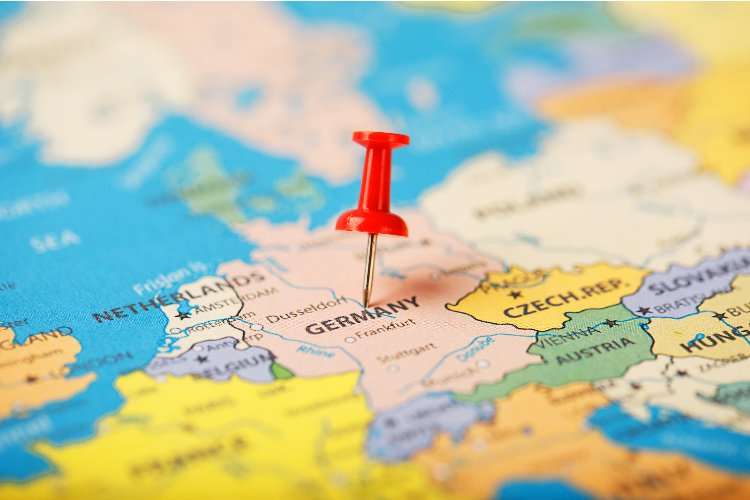
Brandenburg state in Germany is one of the country’s most geographically significant and strategically important federal states. Located in northeastern Germany, Brandenburg completely surrounds the capital city of Berlin, forming a close economic, social, and infrastructural partnership that shapes the entire region.
Often described as the “green belt around Berlin,” Brandenburg is known for its vast natural landscapes, lakes, forests, historic towns, and growing economic potential. While it remains more rural and less densely populated than many western German states, Brandenburg has become increasingly attractive for families, commuters, investors, and businesses seeking space, affordability, and proximity to the capital.
This comprehensive guide explores Brandenburg state in Germany in depth, covering geography, history, economy, cities, education, infrastructure, cost of living, lifestyle, tourism, and future outlook.
For a full overview of Germany and all federal states, you can read the main Germany guide here:
👉 https://wikigerman.net/germany-guide/germany/
General Overview of Brandenburg State in Germany
Brandenburg is located in northeastern Germany and borders Poland to the east, as well as the German states of Mecklenburg-Vorpommern, Saxony, Saxony-Anhalt, and Lower Saxony. With a population of approximately 2.6 million people, Brandenburg is one of Germany’s less densely populated states.
The capital city is Potsdam, a historic city known for its palaces, cultural heritage, and proximity to Berlin. Other important cities include Cottbus, Brandenburg an der Havel, Frankfurt (Oder), and Oranienburg.
Brandenburg plays a unique role in Germany due to its close integration with Berlin while maintaining a distinct regional identity.
Geography and Natural Landscape
Brandenburg state in Germany is one of the most nature-rich regions in the country. The landscape is dominated by forests, lakes, rivers, and agricultural plains.
Key geographical features include:
- More than 3,000 lakes
- Extensive pine forests
- The Havel, Spree, and Oder rivers
- Nature parks and biosphere reserves
- Flat and open countryside
Brandenburg is often referred to as Germany’s “land of lakes,” making it a popular destination for outdoor activities, water sports, and eco-tourism.
Its low population density and large protected areas contribute to a high quality of life and strong environmental focus.
Historical Background of Brandenburg
Brandenburg has a long and influential history that dates back to the early Middle Ages. The region became the core territory of the Margraviate of Brandenburg, which later evolved into the Kingdom of Prussia.
For centuries, Brandenburg played a central role in shaping German and European history. After World War II, the region became part of East Germany (GDR), which led to economic restructuring and population changes.
Following German reunification in 1990, Brandenburg faced significant challenges but has since undergone steady development, modernization, and reintegration into the national economy.
Political Structure and Governance
Brandenburg operates under Germany’s federal system with its own parliament (Landtag Brandenburg) and state government based in Potsdam.
The state government focuses on regional development, infrastructure expansion, education, environmental protection, and economic diversification. Due to its border location, Brandenburg also places strong emphasis on cross-border cooperation with Poland.
Economy of Brandenburg State in Germany
Brandenburg’s economy has transformed significantly over the past decades. While traditionally based on agriculture and basic industry, the state has diversified into modern sectors.
Key economic sectors include:
- Logistics and transportation
- Renewable energy (wind and solar)
- Automotive suppliers
- Aerospace and manufacturing
- Agriculture and food production
- Tourism
Brandenburg benefits greatly from its proximity to Berlin, which drives demand for housing, services, logistics, and commuting infrastructure.
Renewable Energy and Sustainability
Brandenburg state in Germany is a leader in renewable energy, particularly wind power and solar energy. Large open areas and favorable conditions have enabled significant investment in clean energy.
The state aims to play a major role in Germany’s energy transition, with projects focusing on:
- Wind farms
- Solar parks
- Energy storage
- Hydrogen infrastructure
Sustainability and climate protection are central pillars of Brandenburg’s future development strategy.
Potsdam – Capital and Cultural Center
Potsdam is the capital of Brandenburg and one of Germany’s most beautiful historic cities. It is internationally known for its palaces and gardens, which are designated as UNESCO World Heritage Sites.
Potsdam is also a center for education, research, and creative industries. Its proximity to Berlin makes it an attractive residential and professional location.
Other Major Cities in Brandenburg
Cottbus
An important regional center with a focus on energy transition, education, and cross-border cooperation.
Brandenburg an der Havel
A historic city with strong cultural identity and growing tourism.
Frankfurt (Oder)
A border city with strong academic and economic ties to Poland.
Oranienburg
Known for industry, research, and proximity to Berlin.
Each city contributes to Brandenburg’s balanced regional development.
Education and Universities
Brandenburg state in Germany has a growing education and research landscape, closely linked to Berlin’s academic institutions.
Major universities and institutions include:
- University of Potsdam
- Brandenburg University of Technology Cottbus–Senftenberg
- Applied sciences universities and research centers
Research focuses on energy, sustainability, materials science, and digital technologies.
Transportation and Infrastructure
Brandenburg has well-developed transportation infrastructure, largely shaped by its role as Berlin’s surrounding region.
Key features include:
- Extensive rail connections to Berlin and other cities
- Major Autobahn routes
- Berlin Brandenburg Airport located within Brandenburg
- Logistics hubs supporting national and international trade
The state’s infrastructure supports both commuting and economic growth.
Cost of Living in Brandenburg
The cost of living in Brandenburg state in Germany is generally lower than in Berlin and many western German states.
Housing is significantly more affordable, especially outside areas directly bordering Berlin. This has made Brandenburg increasingly popular among families, commuters, and remote workers.
Lower living costs combined with access to Berlin’s job market create strong long-term appeal.
Living and Working in Brandenburg
Living in Brandenburg offers space, nature, and affordability while maintaining access to urban opportunities in Berlin.
Employment opportunities are strongest in logistics, renewable energy, manufacturing, healthcare, and public services. German is essential for daily life, while English is used in international and academic environments.
The state actively promotes relocation, investment, and regional development.
Culture, Lifestyle, and Tourism
Brandenburg’s culture is closely tied to nature, history, and regional traditions.
Tourism highlights include:
- Lakes and waterways
- Historic palaces and gardens
- Cycling and hiking routes
- Nature parks and reserves
Tourism focuses on sustainability, recreation, and cultural heritage rather than mass tourism.
Brandenburg and Its Neighboring German States (Internal Links)
Brandenburg is closely connected to several German states. You can explore them through these related guides:
- Berlin: https://wikigerman.net/germany-guide/germany/be/
- Saxony (Sachsen): https://wikigerman.net/germany-guide/germany/sn/
- Saxony-Anhalt: https://wikigerman.net/germany-guide/germany/st/
- Mecklenburg-Vorpommern: https://wikigerman.net/germany-guide/germany/mv/
Future Outlook of Brandenburg State in Germany
The future of Brandenburg focuses on sustainable growth, renewable energy leadership, infrastructure development, and regional balance.
Population growth around Berlin, combined with clean energy investment, positions Brandenburg as one of Germany’s most promising development regions.
Why Brandenburg Matters in Germany
Brandenburg matters because it connects Germany’s capital with vast natural resources, logistics networks, and renewable energy capacity.
Its role as Berlin’s surrounding state makes it strategically essential for housing, transportation, and long-term planning.
Conclusion
Brandenburg state in Germany is a region of space, nature, and opportunity. With affordable living, growing industries, strong environmental focus, and close ties to Berlin, Brandenburg offers a unique and balanced lifestyle.
Whether you are seeking calm living, access to the capital, or long-term investment potential, Brandenburg represents one of Germany’s most underestimated yet promising states.
Frequently Asked Questions (FAQ) About Brandenburg State in Germany
Brandenburg is known for its lakes, forests, renewable energy, and close connection to Berlin.
The capital is Potsdam.
No, living costs are generally lower than in Berlin and western Germany.
Yes, especially for families, commuters, and those seeking nature and affordability.
Renewable energy, logistics, manufacturing, agriculture, and tourism.
English is used in academic and international contexts, but German is important for daily life.