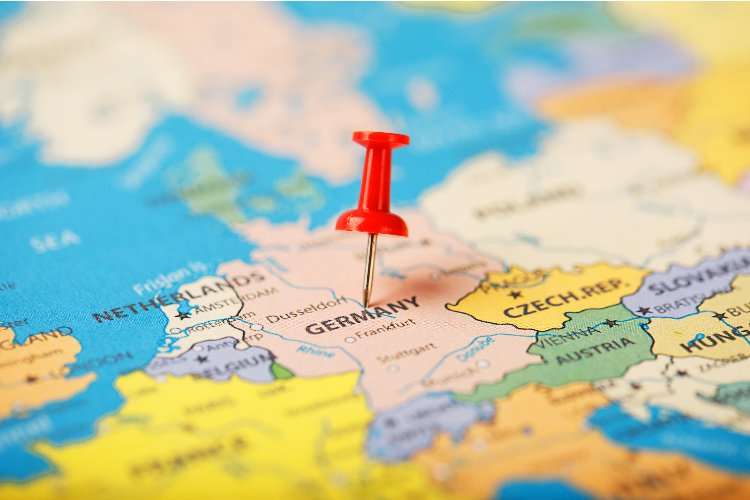
Berlin state in Germany is one of the most unique and influential regions in Europe. Unlike other German federal states, Berlin is both a city and a state at the same time. As the capital of Germany, Berlin plays a central role in politics, culture, economy, education, and international relations. The city’s complex history, creative energy, and global outlook make it one of the most recognizable capitals in the world.
Berlin is a place of contrasts: historic landmarks stand next to modern architecture, political institutions coexist with alternative cultures, and global corporations operate alongside startups and artists. This comprehensive guide explores Berlin state in Germany in depth, covering geography, history, political importance, economy, cities and districts, education, transportation, cost of living, lifestyle, tourism, and future outlook.
For a full overview of Germany and all federal states, you can read the main Germany guide here:
👉 https://wikigerman.net/germany-guide/germany/
General Overview of Berlin State in Germany
Berlin is located in northeastern Germany and is completely surrounded by the state of Brandenburg. With a population of more than 3.7 million people, Berlin is the largest city in Germany by population and one of the largest urban areas in the European Union.
As a city-state, Berlin has its own parliament (Abgeordnetenhaus), state government (Senate of Berlin), and mayor (Governing Mayor). At the same time, it functions as the national capital, hosting the German federal government, parliament, and most foreign embassies.
Berlin’s international character, diverse population, and political significance give it a role that goes far beyond its geographic size.
Geography and Urban Structure
Berlin state in Germany covers an area of approximately 892 square kilometers. The city is characterized by rivers, lakes, parks, and extensive green spaces. The River Spree flows through the city and has shaped Berlin’s historical development.
Berlin is divided into 12 administrative districts, each with its own identity, history, and atmosphere. These districts range from historic and governmental areas to multicultural neighborhoods and quiet residential zones.
Despite being a major metropolis, Berlin is considered one of the greenest capitals in Europe, with large parks, forests, and waterways accessible throughout the city.
Historical Background of Berlin
Berlin’s history is deeply connected to the history of Germany and Europe. First mentioned in the 13th century, Berlin grew from a small trading settlement into the capital of Prussia and later the German Empire.
In the 20th century, Berlin became the focal point of some of the most important events in modern history. After World War II, the city was divided into East Berlin and West Berlin, symbolizing the ideological divide of the Cold War.
The construction of the Berlin Wall in 1961 physically divided the city for nearly three decades. The fall of the Berlin Wall in 1989 marked a historic turning point, leading to German reunification in 1990 and the restoration of Berlin as the capital of a unified Germany.
Today, Berlin embraces its history while continuously reinventing itself as a modern, open, and creative global city.
Political Importance of Berlin
Berlin state in Germany is the political heart of the country. It is home to the Bundestag (German parliament), the Federal Chancellery, and the Bundesrat (Federal Council).
In addition, Berlin hosts more than 150 embassies and international organizations, making it a key center for diplomacy and international cooperation.
Political decisions made in Berlin shape Germany’s domestic and foreign policies, reinforcing the city’s global influence.
Economy of Berlin State in Germany
Berlin’s economy has undergone a major transformation over the past decades. Once heavily dependent on government support after reunification, Berlin has developed into a dynamic and diversified economic center.
Key economic sectors include:
- Technology and startups
- Creative industries (media, design, music, film)
- Tourism and hospitality
- Healthcare and life sciences
- Research and education
- Public administration and services
Berlin is often described as Europe’s startup capital, attracting entrepreneurs from around the world due to its international atmosphere and innovation-friendly environment.
Berlin as a Startup and Innovation Hub
Berlin is internationally recognized for its startup ecosystem. Thousands of startups operate in fields such as fintech, artificial intelligence, e-commerce, and digital media.
The city benefits from strong universities, research institutions, venture capital, and a large international talent pool. Compared to other European capitals, Berlin still offers relatively lower operating costs, which has contributed to its popularity among entrepreneurs.
Innovation hubs and co-working spaces are spread across the city, reinforcing Berlin’s reputation as a center of creativity and innovation.
Education and Universities in Berlin
Berlin state in Germany has one of the strongest education and research landscapes in Europe. The city is home to several prestigious universities and research institutions.
Major universities include:
- Humboldt University of Berlin
- Free University of Berlin
- Technical University of Berlin
- Charité – Universitätsmedizin Berlin
Charité is one of Europe’s largest university hospitals and a global leader in medical research. Many programs in Berlin are offered in English, making the city highly attractive to international students.
Education and research play a central role in Berlin’s long-term development strategy.
Transportation and Infrastructure
Berlin has one of the most comprehensive public transportation systems in Europe. The city is served by:
- U-Bahn (subway)
- S-Bahn (urban rail)
- Buses and trams
Public transportation connects all districts and the surrounding Brandenburg region efficiently.
Berlin Brandenburg Airport serves as the main international gateway to the city. Rail connections link Berlin to all major German cities and neighboring countries.
Cycling is also widely promoted, with expanding bike infrastructure across the city.
Cost of Living in Berlin
The cost of living in Berlin state in Germany has increased in recent years, particularly in the housing market. However, Berlin remains more affordable than cities like Munich, London, or Paris.
Housing costs vary significantly between districts. Public transportation, healthcare, and education remain relatively affordable due to Germany’s social system.
Despite rising prices, Berlin continues to attract people due to job opportunities, lifestyle, and cultural diversity.
Living and Working in Berlin
Berlin offers a unique lifestyle that combines professional opportunities with cultural freedom. The city attracts young professionals, creatives, students, and international workers.
English is widely spoken in professional environments, especially in startups and international companies. However, German is essential for administration and long-term integration.
Berlin also offers strong social infrastructure, healthcare, childcare, and public services.
Culture, Lifestyle, and Tourism
Culture is at the core of Berlin’s identity. The city is famous for its museums, theaters, music scene, nightlife, and alternative culture.
Tourism plays a major role in Berlin’s economy. Visitors are drawn to:
- Brandenburg Gate
- Reichstag Building
- Berlin Wall Memorial
- Museum Island
- Historic neighborhoods and modern districts
Berlin combines history, creativity, and modern urban life like no other German city.
Berlin and Its Neighboring German State (Internal Links)
Berlin is completely surrounded by Brandenburg and closely connected to it economically and socially. You can explore the neighboring state here:
- Brandenburg: https://wikigerman.net/germany-guide/germany/bb/
For broader context, you can also explore:
- Saxony-Anhalt: https://wikigerman.net/germany-guide/germany/st/
- Mecklenburg-Vorpommern: https://wikigerman.net/germany-guide/germany/mv/
Future Outlook of Berlin State in Germany
Berlin’s future development focuses on digitalization, sustainability, housing, and infrastructure expansion. The city aims to remain a global innovation hub while addressing challenges such as population growth and affordability.
With its strong research base, creative industries, and international networks, Berlin is well positioned for long-term growth.
Why Berlin Matters in Germany
Berlin matters because it represents Germany’s political authority, cultural diversity, and global identity. No other German state combines national leadership, historical symbolism, and modern creativity in the same way.
Berlin connects Germany to the world.
Conclusion
Berlin state in Germany is far more than just a capital city. It is a symbol of history, freedom, diversity, and innovation. With its political importance, strong economy, world-class education, and vibrant culture, Berlin plays a decisive role in Germany’s present and future.
Whether you are planning to study, work, invest, or visit, Berlin offers opportunities and experiences unmatched by any other German state.
Frequently Asked Questions (FAQ) About Berlin State in Germany
Berlin is both a city and a federal state and serves as the capital of Germany.
Berlin combines the functions of a capital city and a federal state with global cultural influence.
Berlin is becoming more expensive, but it remains more affordable than many European capitals.
Yes, especially in startups, universities, and international workplaces.
Technology, startups, creative industries, tourism, healthcare, and public administration.
Yes, Berlin is one of the most international and welcoming cities in Germany.