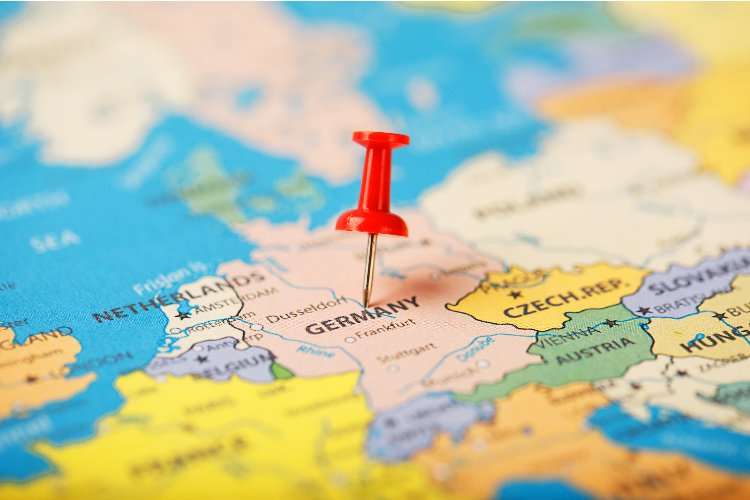
Saarland state in Germany is the smallest non-city federal state in the country, yet it holds a unique and highly strategic position within Germany and Europe. Located in southwestern Germany along the borders with France and Luxembourg, Saarland is often described as Germany’s most European state due to its strong cross-border connections, bilingual culture, and shared history with neighboring countries.
Despite its small size, Saarland plays an important role in industry, automotive manufacturing, materials science, and European cooperation. The state combines industrial heritage with modern transformation, offering affordability, compact cities, and a high quality of life. This comprehensive guide explores Saarland state in Germany in depth, covering geography, history, economy, cities, education, infrastructure, cost of living, lifestyle, tourism, and future outlook.
For a complete overview of Germany and all federal states, you can read the main Germany guide here:
👉 https://wikigerman.net/germany-guide/germany/
General Overview of Saarland State in Germany
Saarland is located in southwestern Germany and borders France to the west and south, Luxembourg to the northwest, and the German state of Rhineland-Palatinate to the northeast. With a population of around 1 million people, Saarland is Germany’s smallest territorial state by both area and population.
The capital city is Saarbrücken, which serves as the political, economic, and cultural center of the state. Other important towns include Neunkirchen, Homburg, Völklingen, and Saarlouis.
Saarland’s compact size allows for short travel distances, strong regional identity, and close economic integration with neighboring regions.
Geography and Natural Landscape
Saarland state in Germany is characterized by rolling hills, river valleys, forests, and industrial landscapes reclaimed by nature.
Key geographical features include:
- The Saar River
- Forested hills and plateaus
- River valleys and green corridors
- Cross-border natural regions with France
Although Saarland does not have dramatic mountain ranges or coastlines, it offers pleasant landscapes, hiking trails, and green spaces that contribute to a high quality of life.
Historical Background of Saarland
Saarland has a complex and unique history shaped by its strategic location and industrial importance. For centuries, the region changed hands between German and French control.
After World War I, Saarland was placed under League of Nations administration before returning to Germany. After World War II, the region again came under French influence before rejoining Germany in 1957 following a referendum.
This history has left a strong cultural imprint, with French influences visible in language, cuisine, and lifestyle. Saarland’s modern identity is deeply European and cross-border in nature.
Political Structure and Governance
Saarland operates under Germany’s federal system, with its own parliament (Landtag des Saarlandes) and state government based in Saarbrücken.
Due to its size, governance in Saarland emphasizes efficiency, cross-border cooperation, and economic transformation. The state is actively involved in European regional initiatives and partnerships.
Economy of Saarland State in Germany
Saarland has a long industrial tradition, particularly in coal mining and steel production. While these industries once dominated the economy, Saarland has successfully diversified and modernized in recent decades.
Key economic sectors include:
- Automotive manufacturing and suppliers
- Steel and materials processing
- Mechanical engineering
- Information technology
- Medical technology
- Research and innovation
The state is closely integrated into European supply chains, particularly with France and Luxembourg.
Automotive and Industrial Transformation
Automotive production and supplier industries play a central role in Saarland’s economy. The region hosts major production facilities and a strong network of suppliers.
In recent years, Saarland has focused on transforming its industrial base toward electric mobility, digital manufacturing, and advanced materials, ensuring long-term competitiveness.
Saarbrücken – Capital and Cross-Border Hub
Saarbrücken is the capital and largest city of Saarland. Located directly on the French border, the city serves as a cultural and economic bridge between Germany and France.
Saarbrücken is home to universities, research institutions, and technology centers. Its international atmosphere, compact size, and strong student population contribute to a lively and open urban environment.
Other Important Cities in Saarland
Völklingen
Known for the Völklingen Ironworks, a UNESCO World Heritage Site representing Saarland’s industrial heritage.
Homburg
An important medical and research center with a strong university presence.
Saarlouis
A historic town with French-style fortifications and cultural significance.
These cities support Saarland’s balanced regional development.
Education and Universities
Saarland state in Germany has a strong education and research landscape relative to its size, with a particular focus on international cooperation and applied sciences.
Major institutions include:
- Saarland University
- Saarland University of Applied Sciences
- German Research Center for Artificial Intelligence (DFKI)
Saarland University is known for computer science, materials science, and European studies, attracting students and researchers from across Europe.
Transportation and Infrastructure
Saarland benefits from good transportation connections despite its small size.
Key infrastructure includes:
- Autobahn connections to France, Luxembourg, and western Germany
- Rail links to major cities such as Frankfurt and Paris
- Proximity to international airports in Frankfurt, Luxembourg, and Saarbrücken
The state’s location makes it an important transit region for cross-border movement.
Cost of Living in Saarland
One of Saarland’s major advantages is its low cost of living. Housing and rent prices are significantly lower than in major German metropolitan regions.
Daily expenses, transportation, and services are affordable, making Saarland attractive for families, students, and professionals seeking value for money.
Living and Working in Saarland
Living in Saarland offers a calm lifestyle with short commuting distances, strong social networks, and access to nature.
Job opportunities are strongest in automotive manufacturing, engineering, research, healthcare, and public services. English and French are commonly used in academic and cross-border work environments, but German remains essential for daily life.
Culture, Lifestyle, and Tourism
Saarland’s culture reflects its border location and mixed heritage. French and German influences blend in cuisine, festivals, and everyday life.
Tourism highlights include:
- Völklingen Ironworks (UNESCO site)
- Historic towns and fortifications
- River landscapes and hiking trails
- Culinary tourism influenced by French cuisine
Tourism in Saarland focuses on culture, industry, and regional authenticity rather than mass tourism.
Saarland and Its Neighboring German States (Internal Links)
Saarland is closely connected to neighboring German and European regions. You can explore nearby German states here:
- Rhineland-Palatinate: https://wikigerman.net/germany-guide/germany/rp/
- Hessen: https://wikigerman.net/germany-guide/germany/he/
Its cross-border links with France and Luxembourg further strengthen its European identity.
Future Outlook of Saarland State in Germany
The future of Saarland focuses on industrial innovation, digitalization, artificial intelligence, and cross-border cooperation.
Challenges include demographic change and economic transition, but Saarland’s research strengths and European integration provide strong long-term potential.
Why Saarland Matters in Germany
Saarland matters because it represents Germany’s industrial transformation and European integration in a compact and effective way.
Its role as a cross-border region, innovation hub, and affordable living area makes it an important part of Germany’s federal structure.
Conclusion
Saarland state in Germany is small in size but rich in history, culture, and opportunity. With its strong industrial base, international outlook, affordable living, and European character, Saarland offers a unique and balanced lifestyle.
Whether you are interested in industry, research, cross-border work, or a quieter life in Germany, Saarland provides an authentic and future-oriented option.
Frequently Asked Questions (FAQ) About Saarland State in Germany
Saarland is known for its industrial heritage, automotive sector, and strong French-German cultural influence.
The capital is Saarbrücken.
No, Saarland is one of the most affordable German states.
Yes, especially for families, students, and professionals seeking affordability and short commuting distances.
Automotive manufacturing, materials science, IT, and research are key sectors.
English is used in academia and international workplaces, but German is important for daily life.